

Reform of Military Regulations Should Establish New Mechanisms for Protecting Service Members’ Rights
Human rights, respect for human dignity, and effective mechanisms for protecting them should become an integral part of the new legislation governing military service. At the same time, the revised general military regulations should ensure military discipline and effective command while reflecting the realities of modern warfare.
These issues were discussed by participants of a seminar organized by the Frontline Reforms NGO together with the Office of the Military Ombudsman and the Ministry of Defence of Ukraine, with the support of the Swedish agency for peace, security and development Folke Bernadotte Academy (FBA).
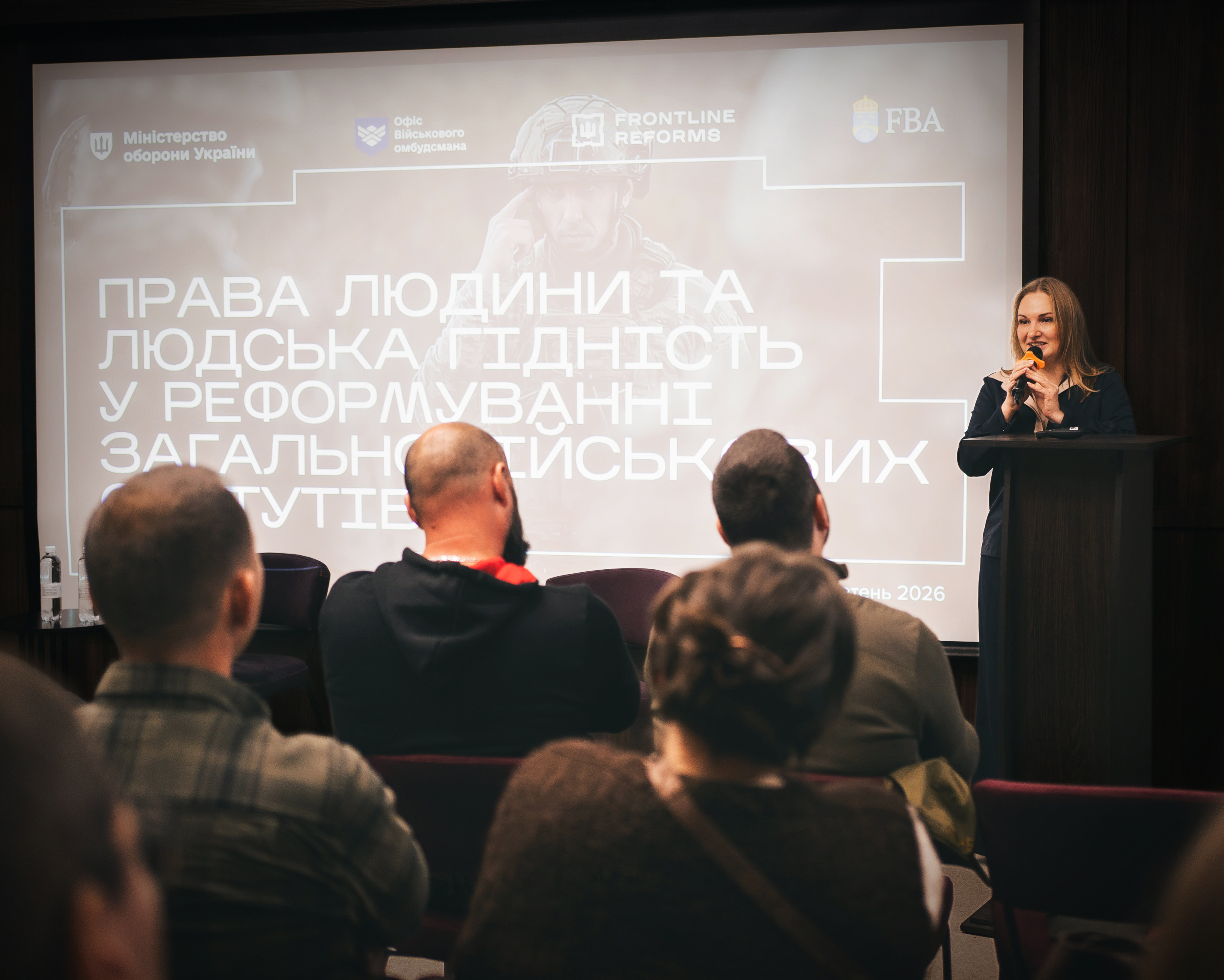
The Military Ombudsman emphasized that updating the legislative framework and embedding new values and principles in it should be the next step in building a system for protecting service members’ rights.
“We are not only building institutions; at the same time, we are strengthening them through legislation. Step by step, this evolution brings about changes in the way we think,” said Olha Reshetylova.
During a panel discussion on common violations of service members’ rights and the role of military regulations reform in addressing these issues, participants discussed how rights and guarantees should be directly enshrined in the new legislation.
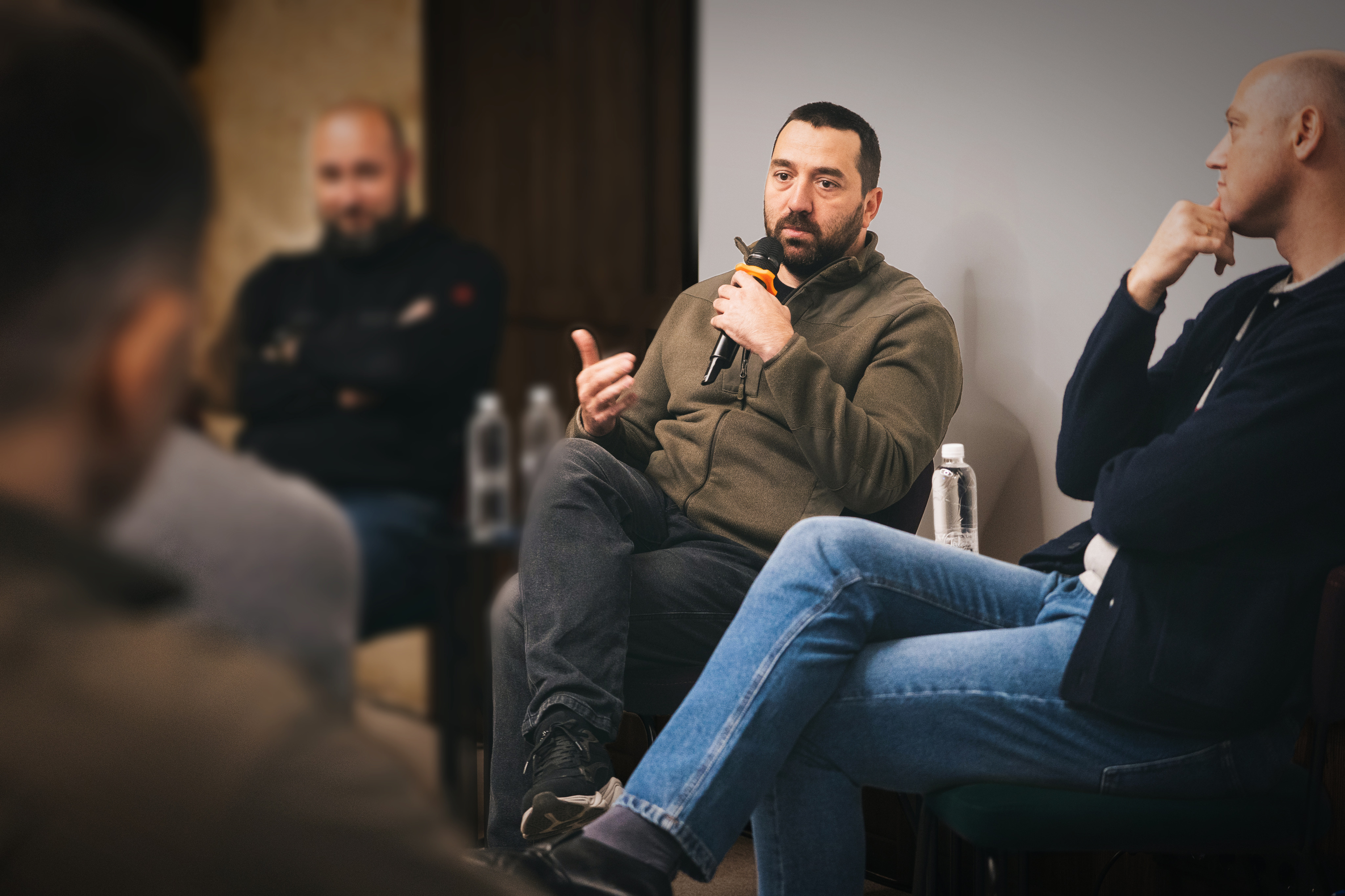
According to Oleksandr Pashynin, Director of the Legal Support Department of the Office of the Military Ombudsman, the Law should establish fundamental principles that would not require constant revision, including equality, dignity, independent review, and protection of service members’ rights. Specific procedures and mechanisms for implementing these principles, he said, could be regulated through subordinate legislation.
Pashynin also stressed the need to provide service members with different channels for seeking help when their rights are violated:
“It is important to give people a choice in how they can protect their rights. We should keep what works — appeals through the chain of command — while adding other channels, given the emergence of new rights-protection institutions, including the Office of the Military Ombudsman and the relevant department within the Ministry of Defence.”
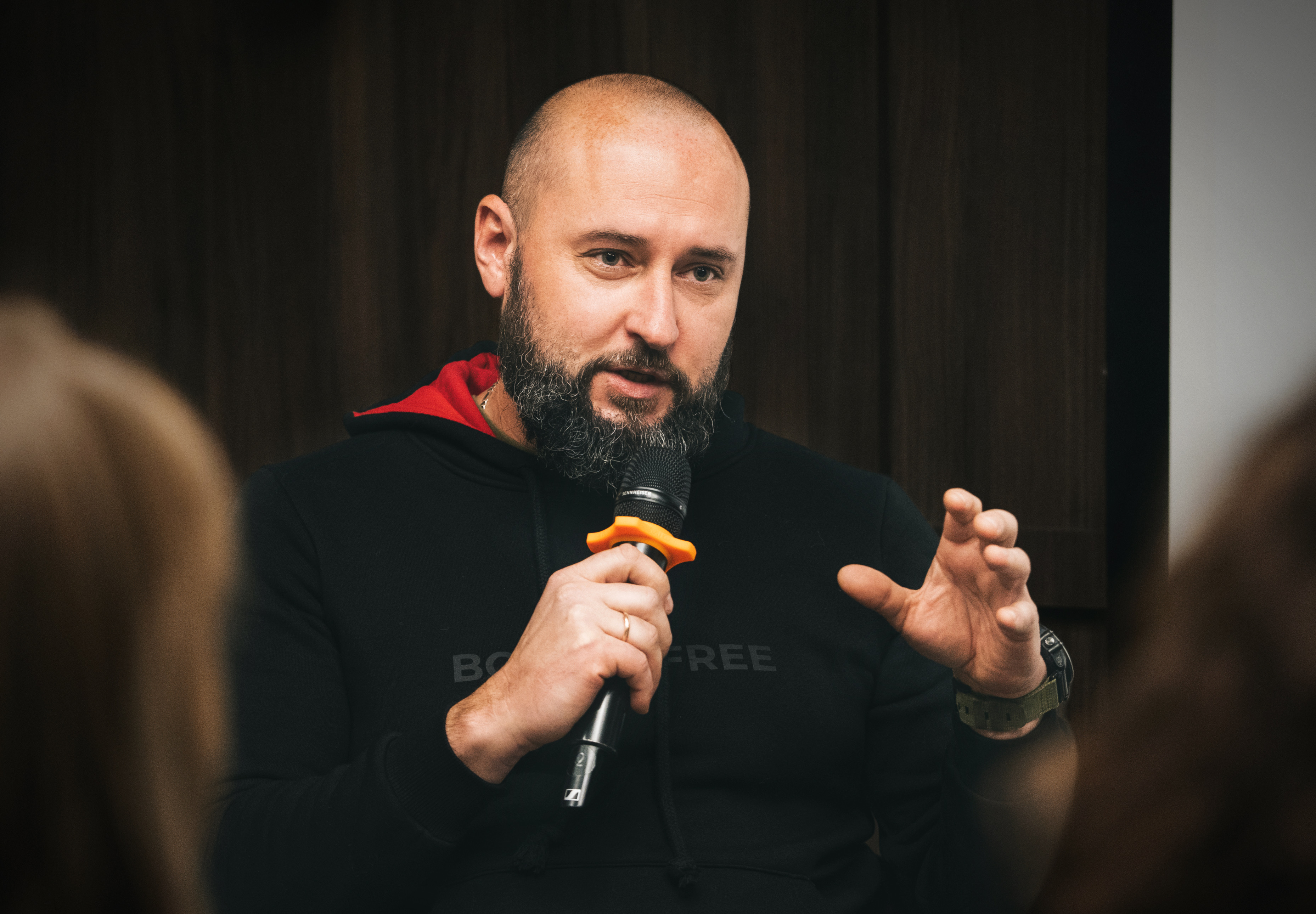
Taras Bezpalyi, Deputy Head of the Main Directorate for the Protection of Service Members’ Rights at the Ministry of Defence, noted that the current military regulations of the Armed Forces of Ukraine, adopted in 1999, are largely based on Soviet-era approaches and are fundamentally outdated.
“Their provisions focus on determining responsibility and punishment and regulating relations between service members, while mechanisms for protecting their rights are lacking. Another problem is that the current legislation was designed for peacetime and does not respond adequately to the challenges of war,” Bezpalyi said.
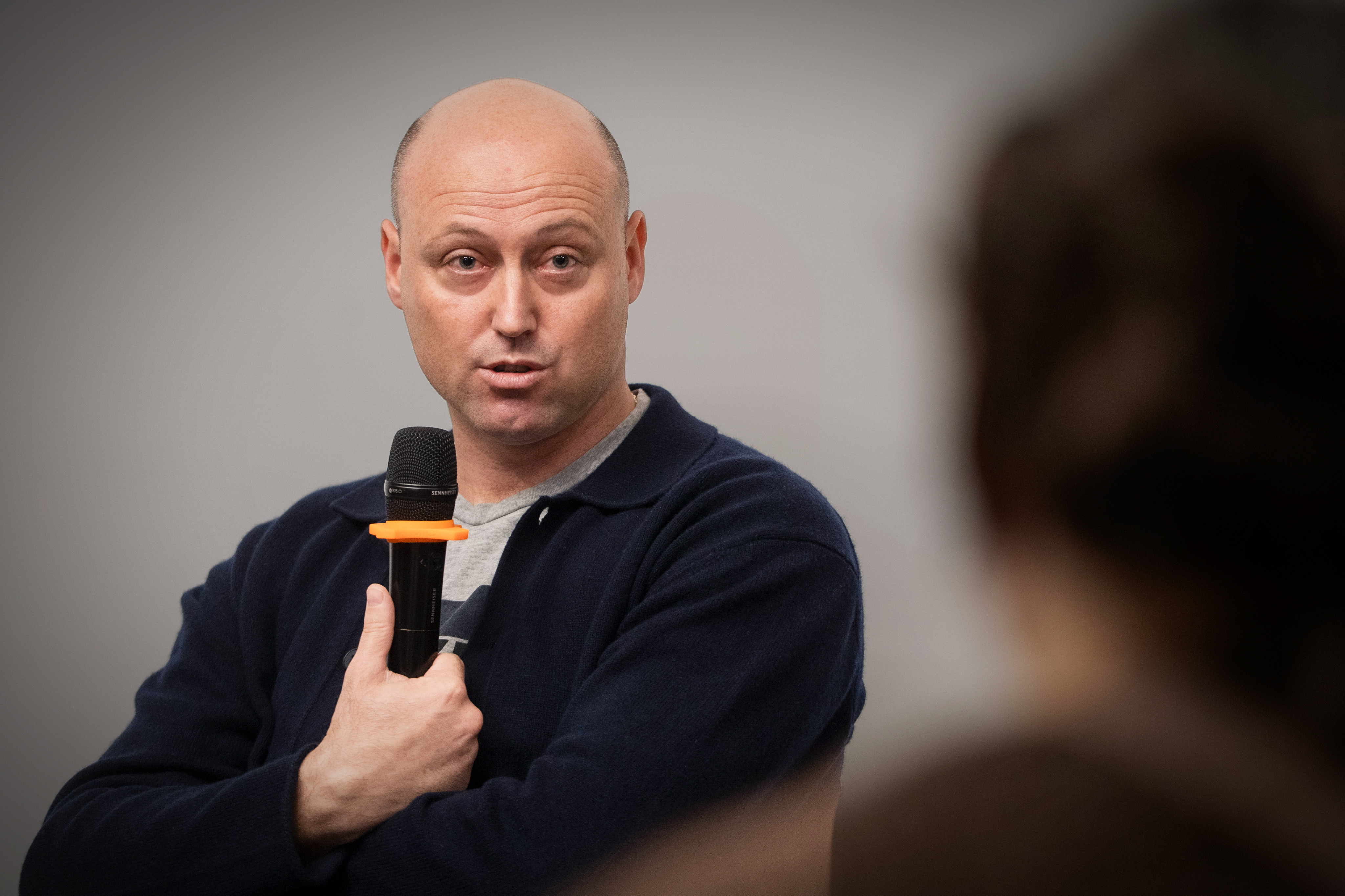
Colonel Oleksandr Kutkov, Head of the Central Department of Civil-Military Cooperation of the General Staff of the Armed Forces of Ukraine, also emphasized the need to update the statutes in line with current conditions.
“For the state and the military, the individual is the highest value. We need to clearly define the relevant rules, establish procedures for protecting rights, and create response mechanisms that will work in wartime, during the transition period, and in peacetime,” he said.
The seminar also focused on international practices and human rights standards for armed forces. Participants discussed approaches to protecting service members’ rights in European countries and how these practices could be adapted to the Ukrainian context.
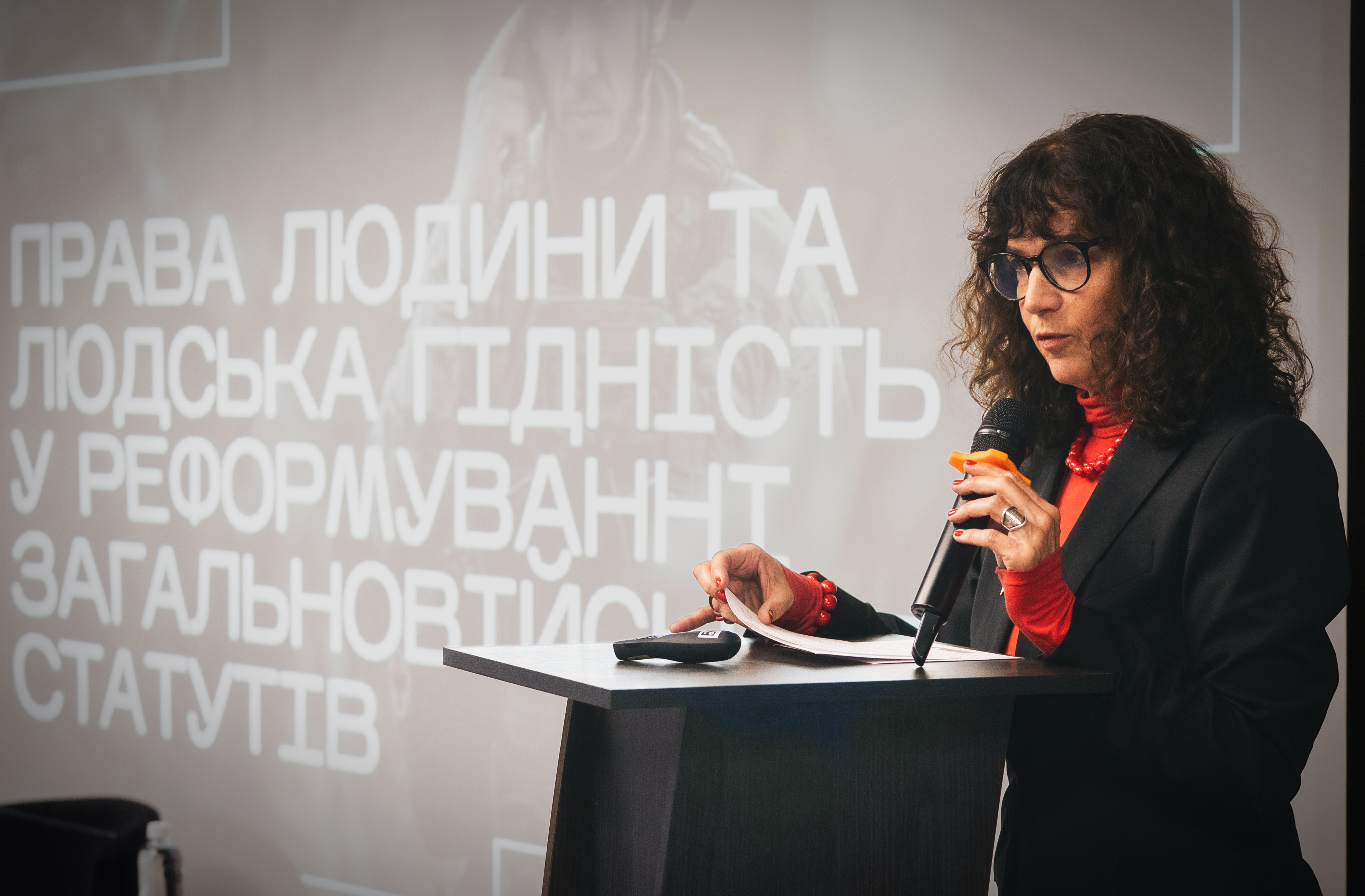
Mia Rimby, Chargé d'Affaires a.i. of Sweden in Ukraine, noted that an effective defence system is based on respect for the rights, dignity, and fairness owed to service members: “The development of modern military legislation and the protection of human rights are important components of Ukraine’s resilience and its further Euro-Atlantic integration.”

Yuliia Marushevska, Co-founder and Chair of the Board of Frontline Reforms, emphasized that reforming the military regulations is a comprehensive and long-term process of strategic importance for the development of the Armed Forces of Ukraine and other components of the Defence Forces.
“With the participation of international partners, the Office of the Military Ombudsman, the Ministry of Defence, the General Staff, and civil society, we are systematically working through the provisions of the future Law. Seminars like this help build consensus on the key principles that will underpin it,” Marushevska said.
The seminar was another step in developing a shared vision for reforming the military regulations. The previous seminar focused on democratic civilian control.