Visited a psychological support centre where service members undergo decompression after leaving combat positions
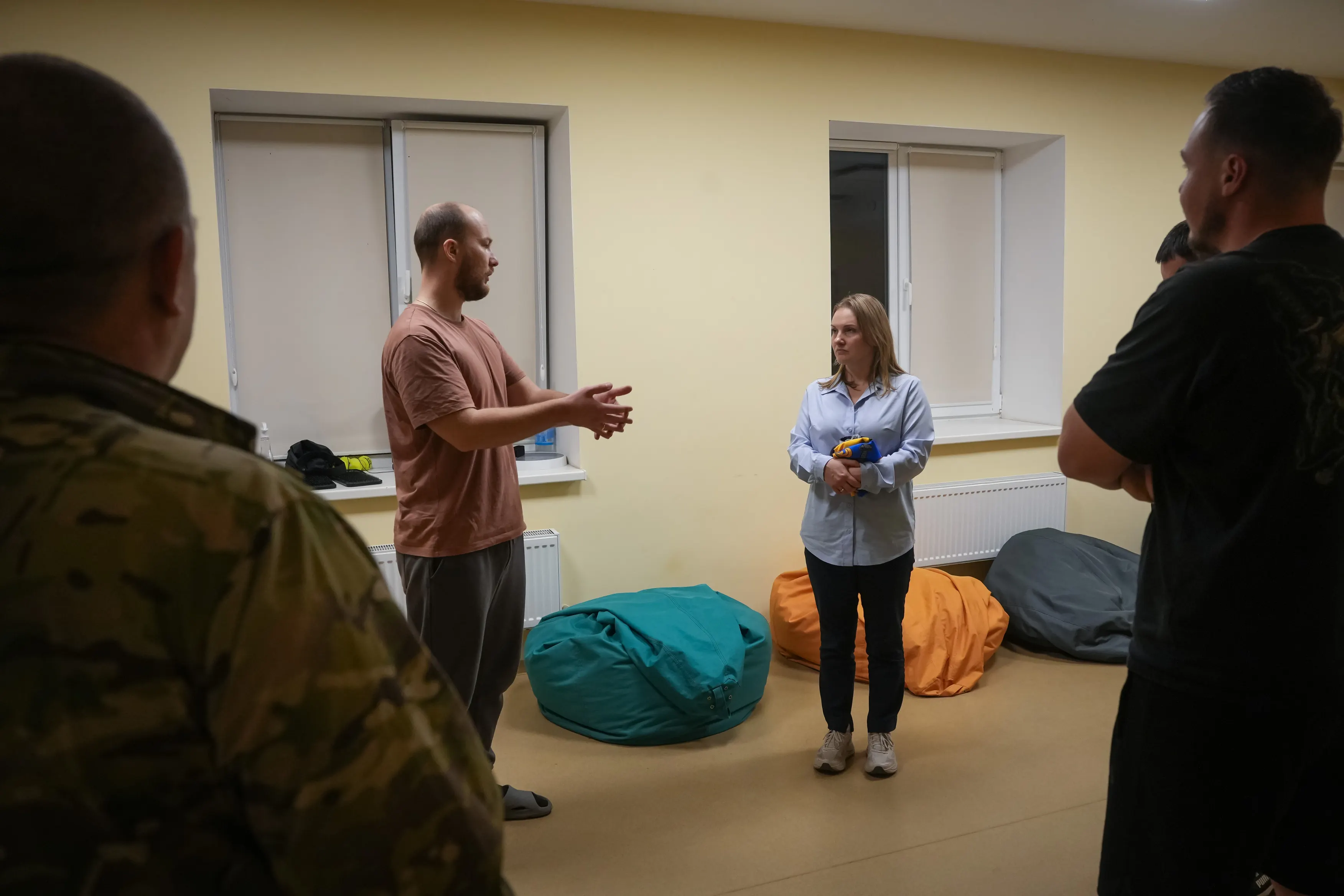
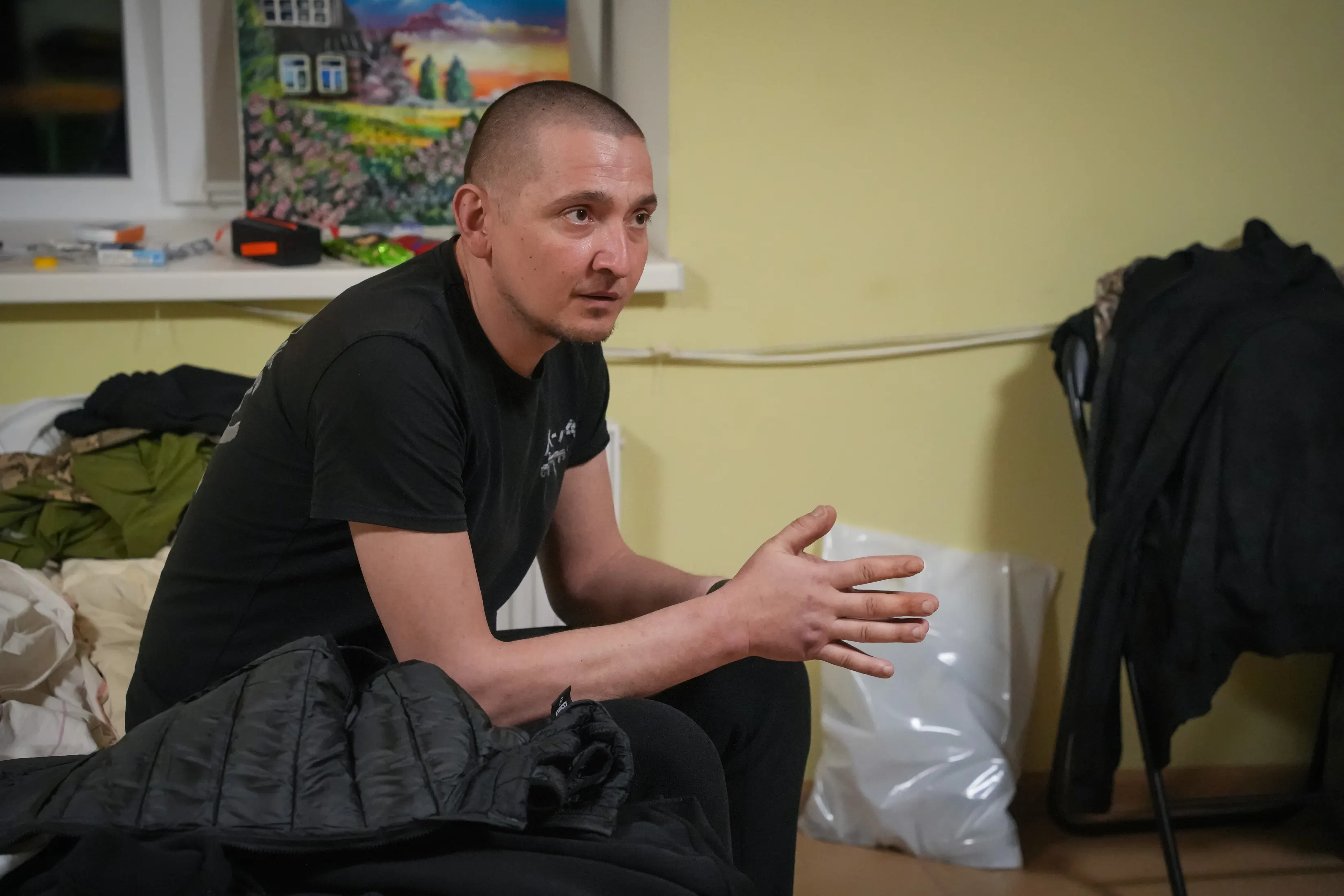
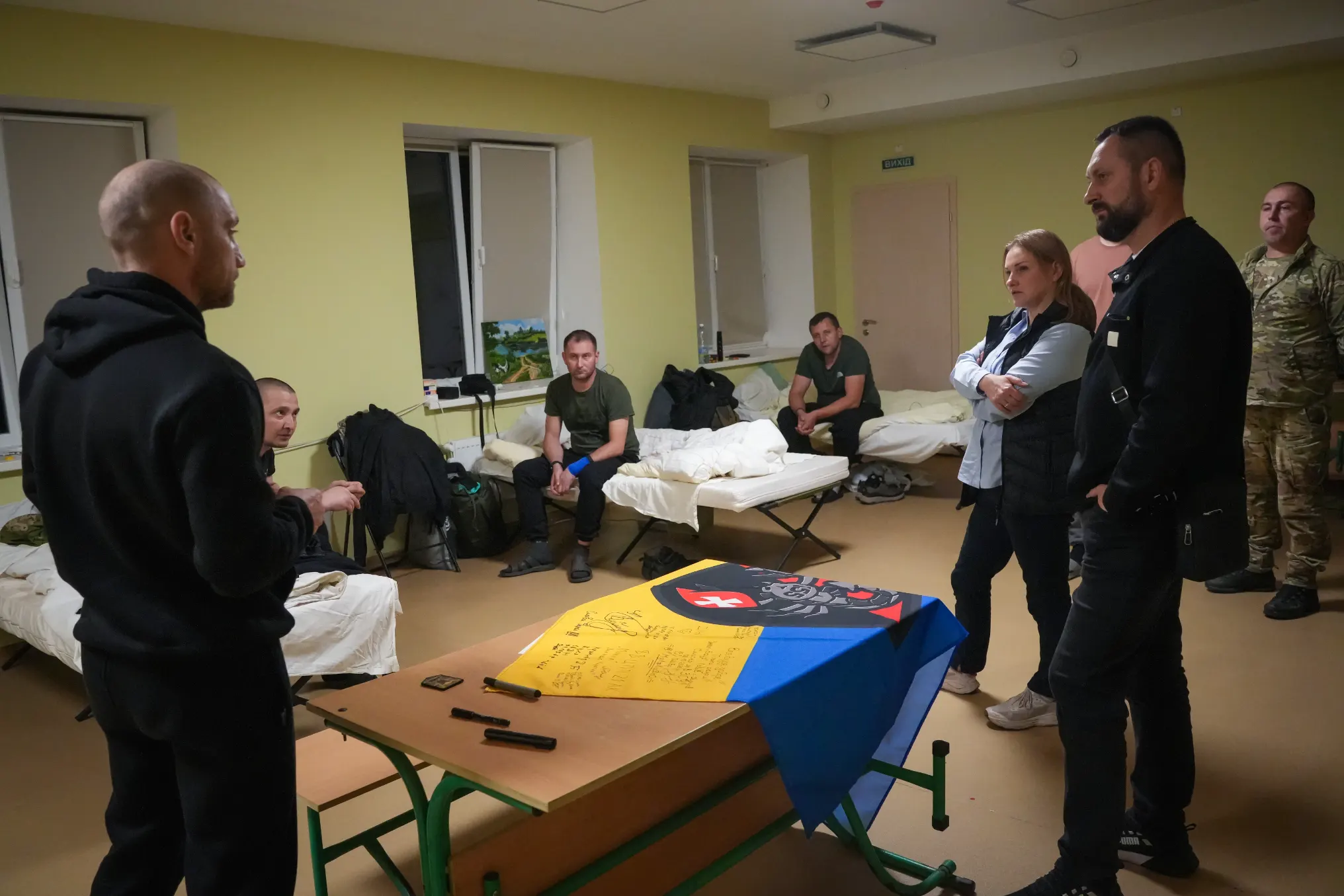
During a field monitoring visit, the Office of the Military Ombudsman team inspected a psychological support centre at one of the brigades, where service members undergo decompression after leaving combat positions. The centre has a dedicated space for rest, where service members can read, play board games, talk to others, or spend time alone. They also take part in psychological support sessions, city tours, kayaking trips, and other activities.
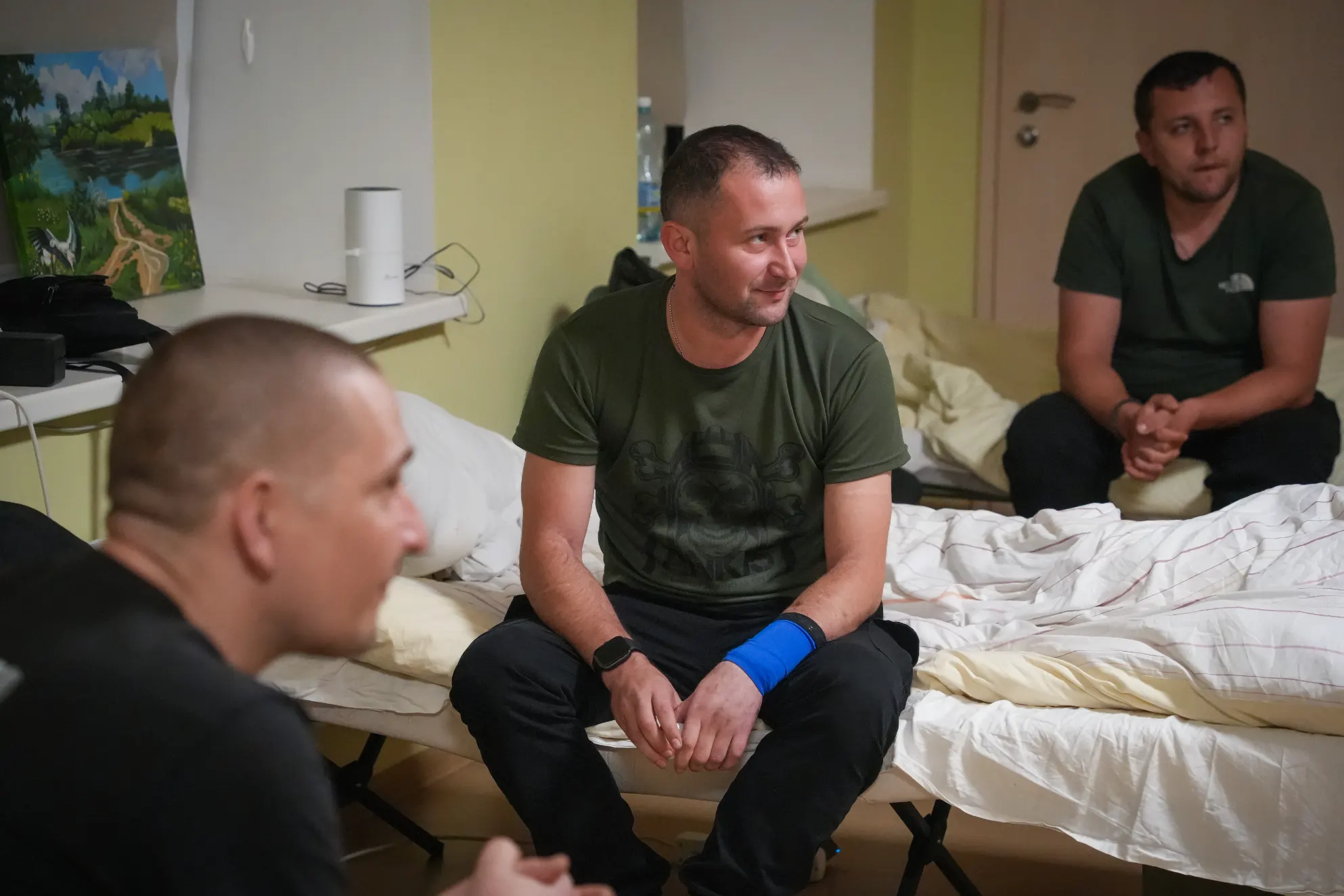
service members speak positively about the work of the psychologists and report improvements in their emotional well-being.
The centre provides support to service members in several areas:
- Assessing their psychological condition and monitoring changes through clinical tests and one-on-one conversations.
- Carrying out exercises to restore coordination, reaction time, and memory; organizing sports games and rehabilitation activities.
- Teaching self-regulation techniques to manage stress and tension, including breathing exercises and muscle relaxation methods.
- Providing individual psychological support to help service members cope with the effects of combat stress, process traumatic memories, and deal with personal and family difficulties.
The decompression programme lasts six days. Sessions are planned according to each servicemember’s emotional and psychological condition, level of exhaustion, the effects of injuries, and individual needs.
At the same time, recovery after extended periods in combat positions is a complex process that requires considerably more time and effort than current departmental regulations provide for. According to specialists at the Office of the Military Ombudsman, more than 50% of service members need rehabilitation lasting over two weeks. One in four service members is unable to fully recover from the effects of spending extended periods in combat positions.
The Office is working to improve recovery practices, including by establishing rehabilitation periods based on the time spent in combat positions, ensuring access to the services needed for full physical and psychological recovery, and amending the relevant regulations and funding arrangements.