The Office of the Military Ombudsman brings together reintegration centres of the Security and Defence Forces
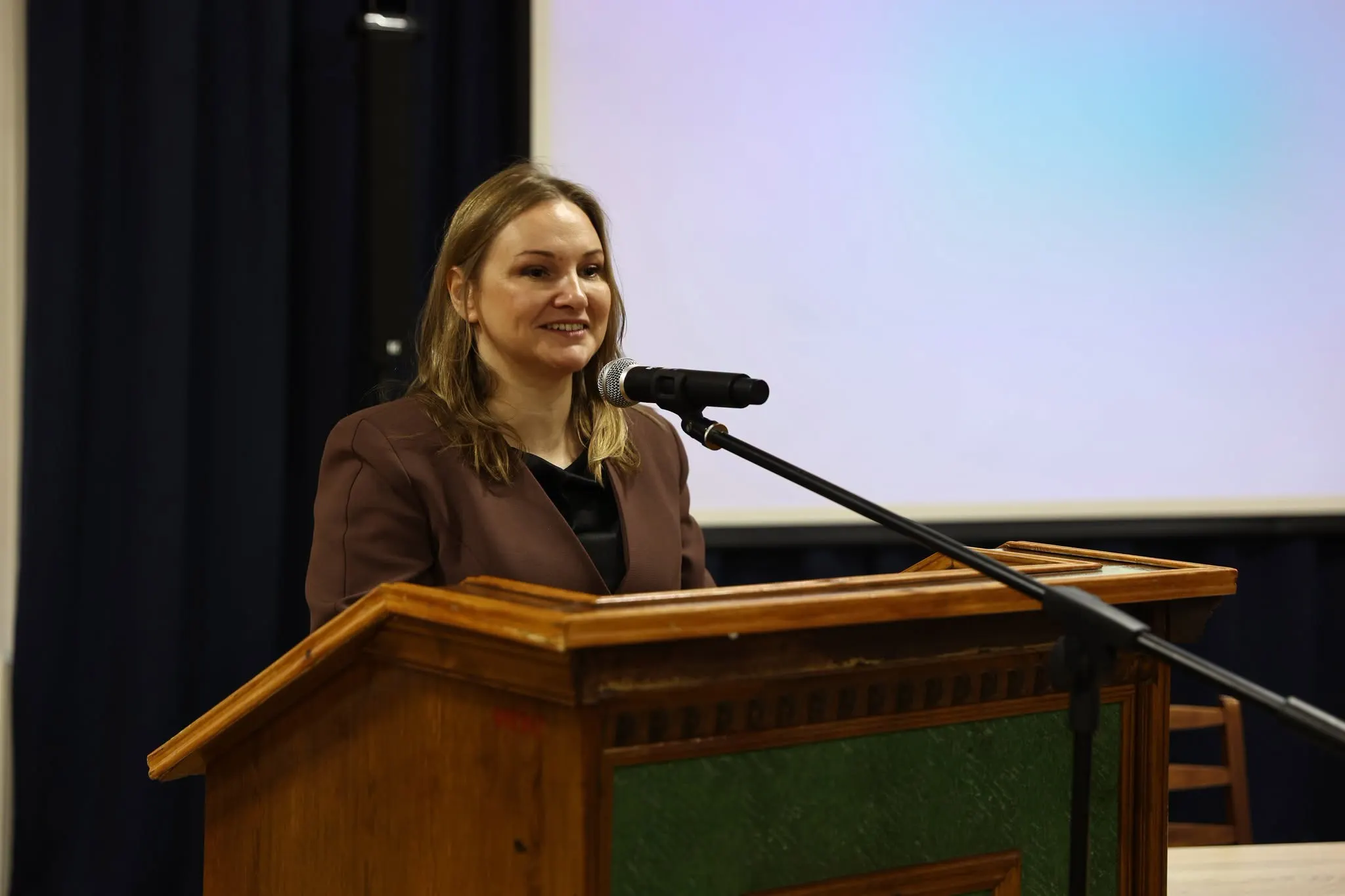
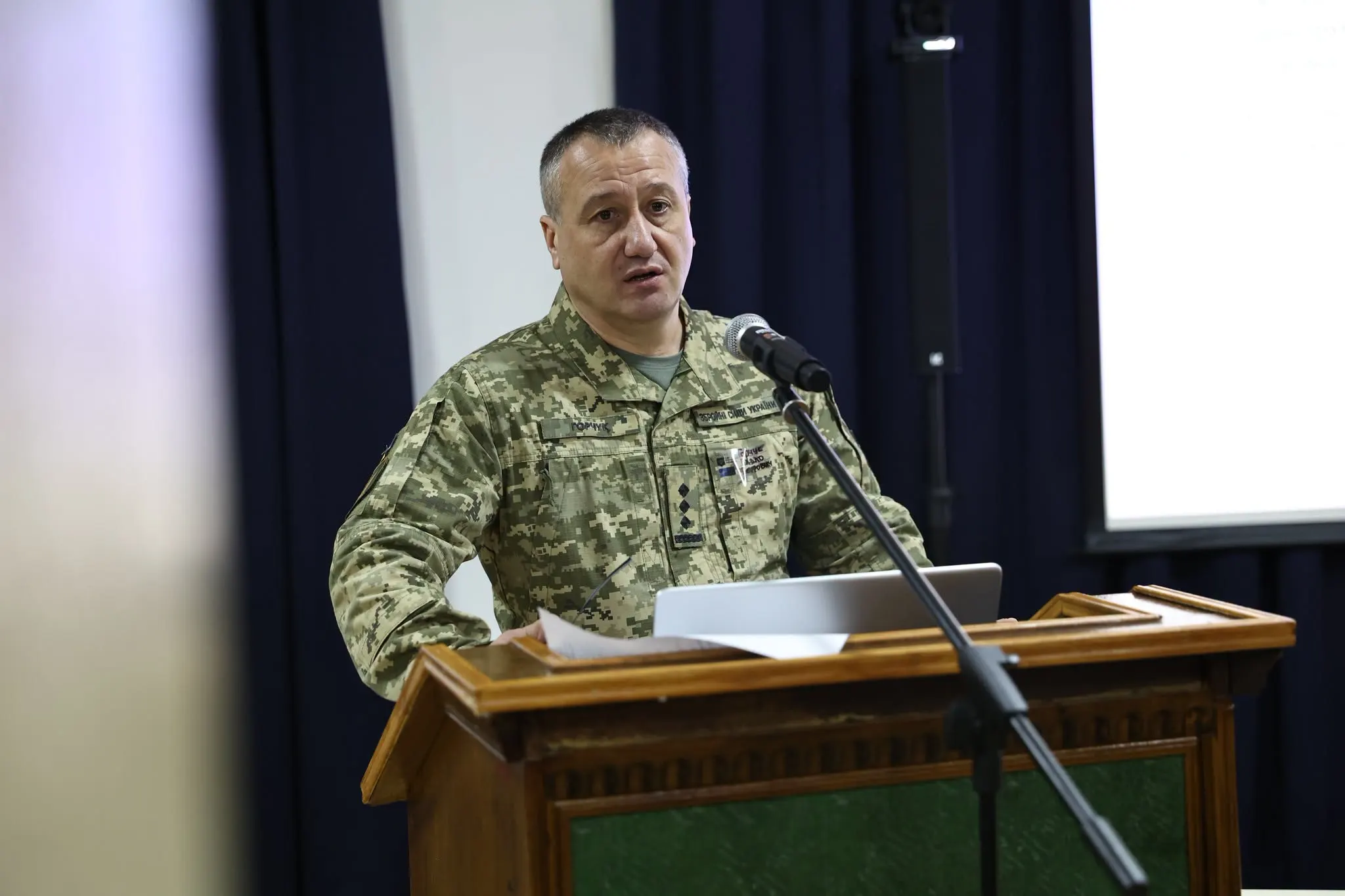
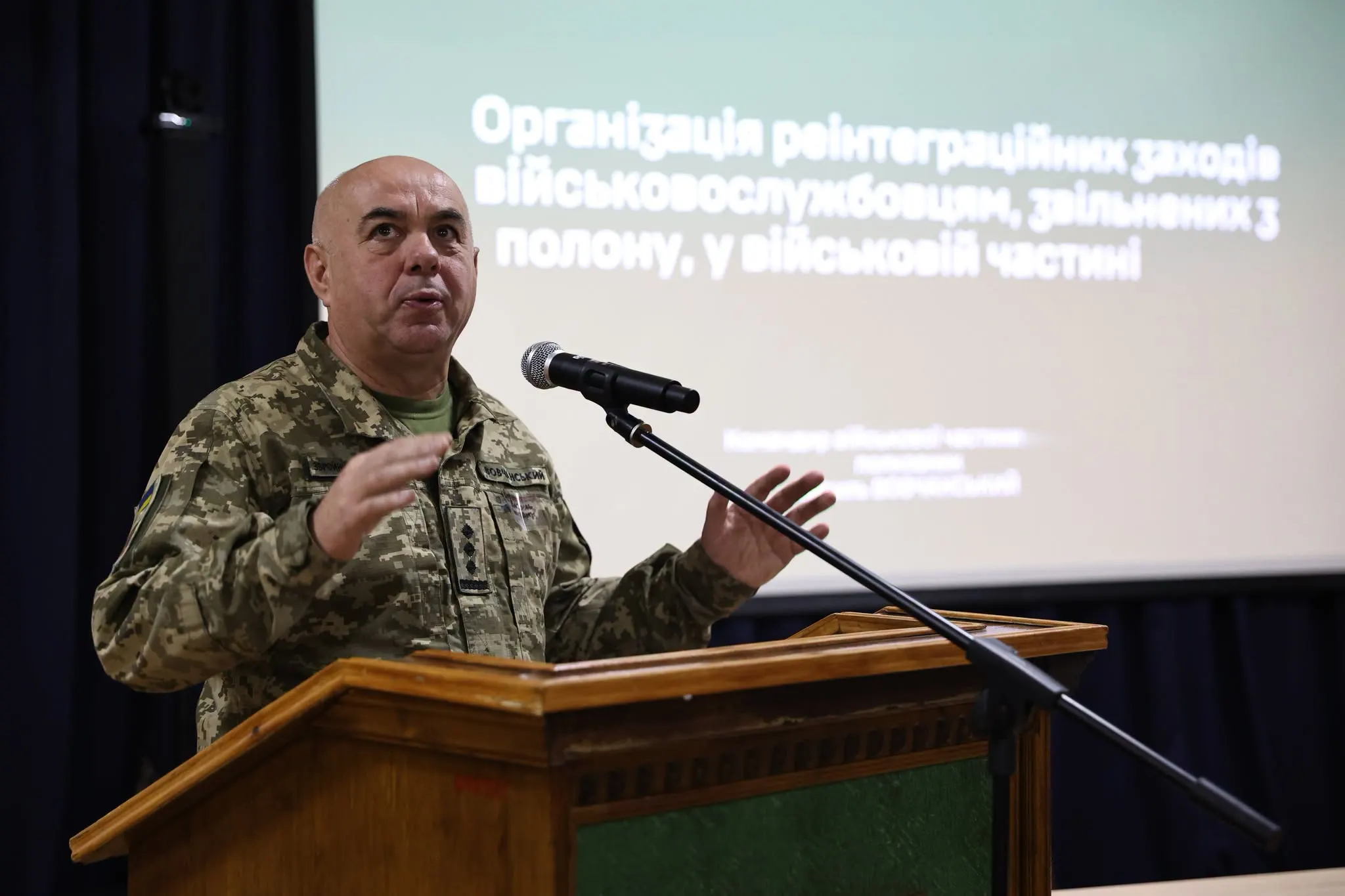
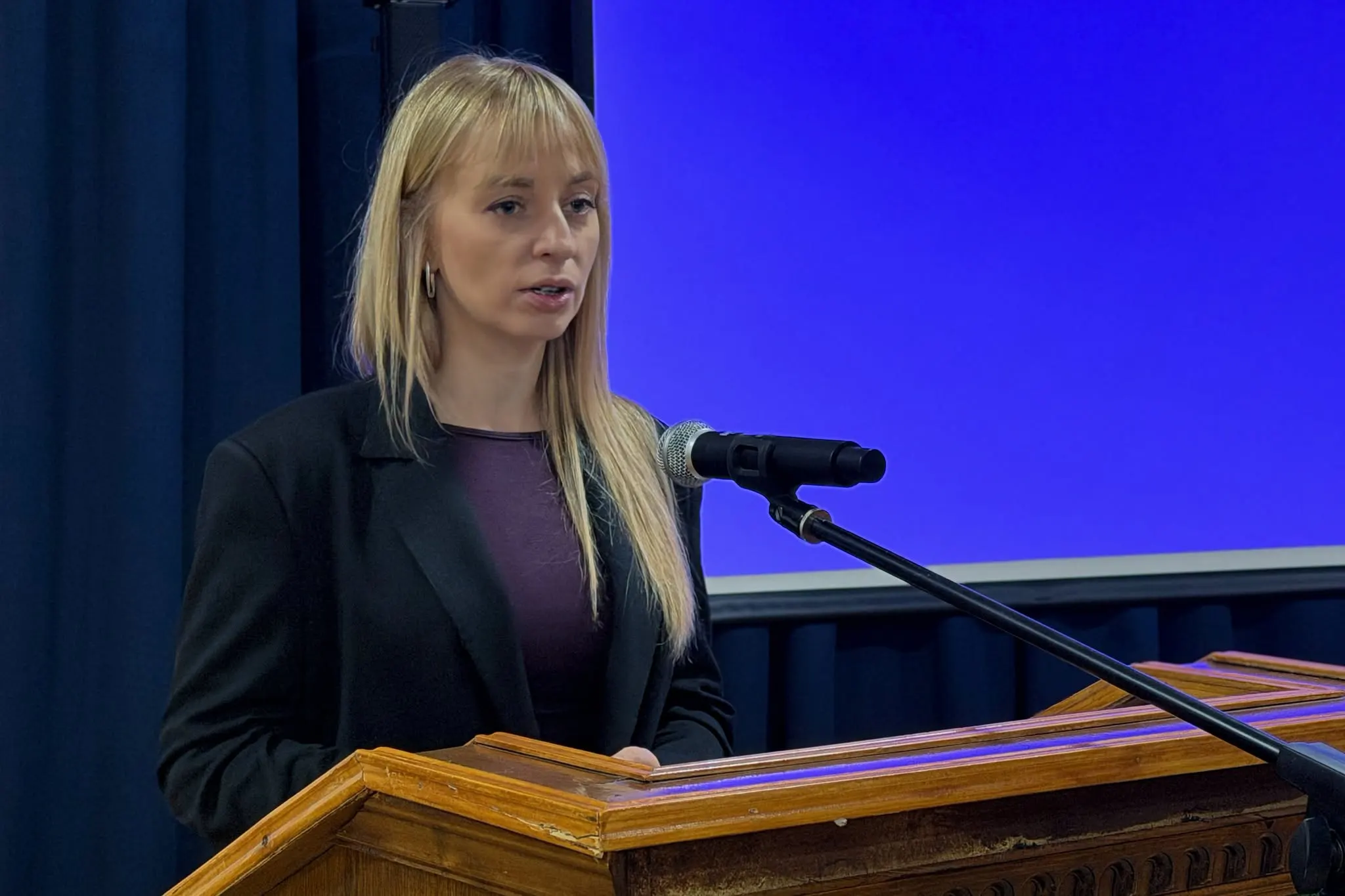
Returning from captivity marks the beginning of a new chapter in which service members should feel supported, cared for and looked after. This was the central message of an event organised by the Office of the Military Ombudsman for all reintegration centres of Ukraine’s Security and Defence Forces.
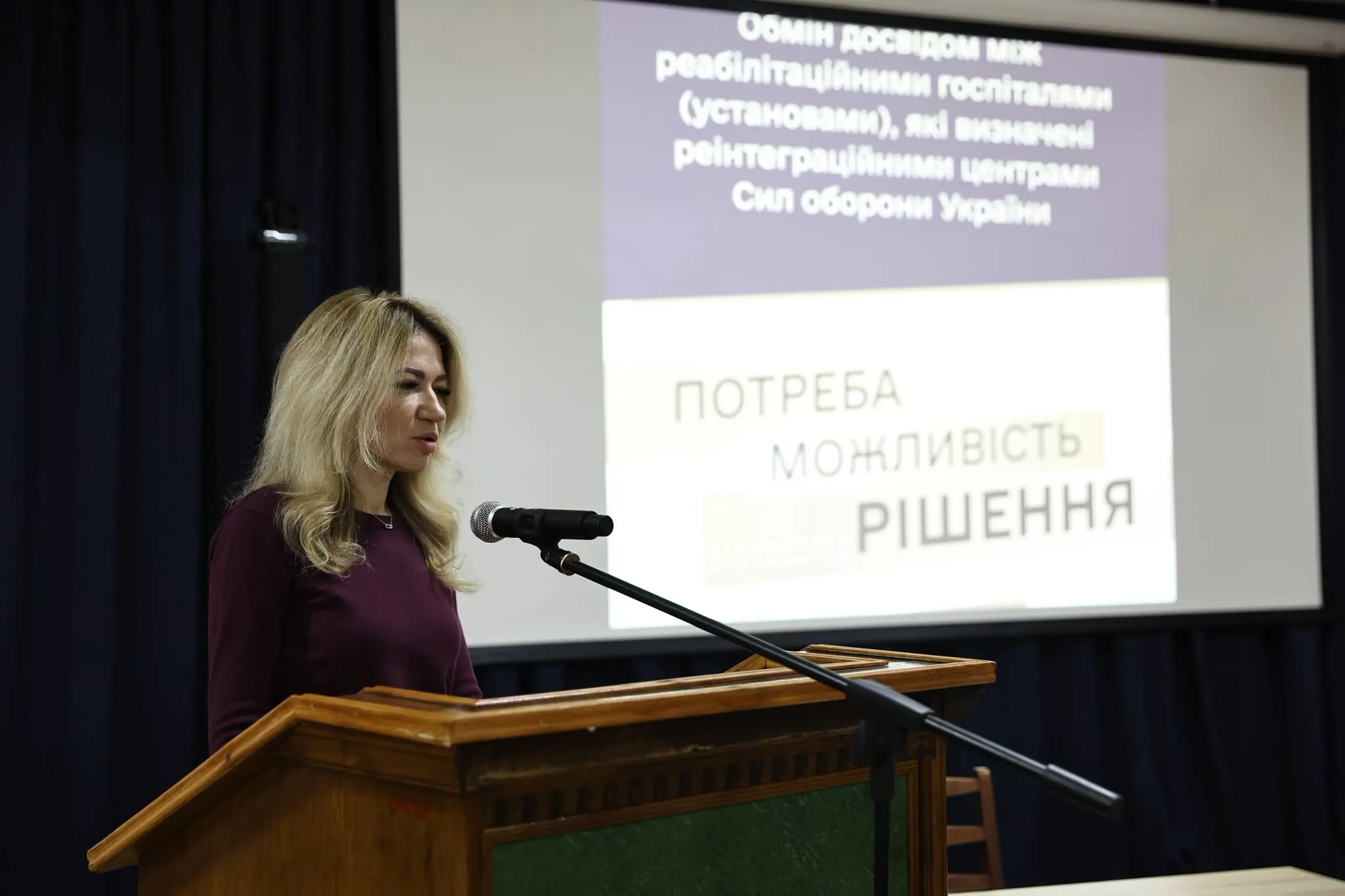
The meeting focused on practical matters. First, each centre presented its work in providing medical care, rehabilitation and support to service members returning from captivity.
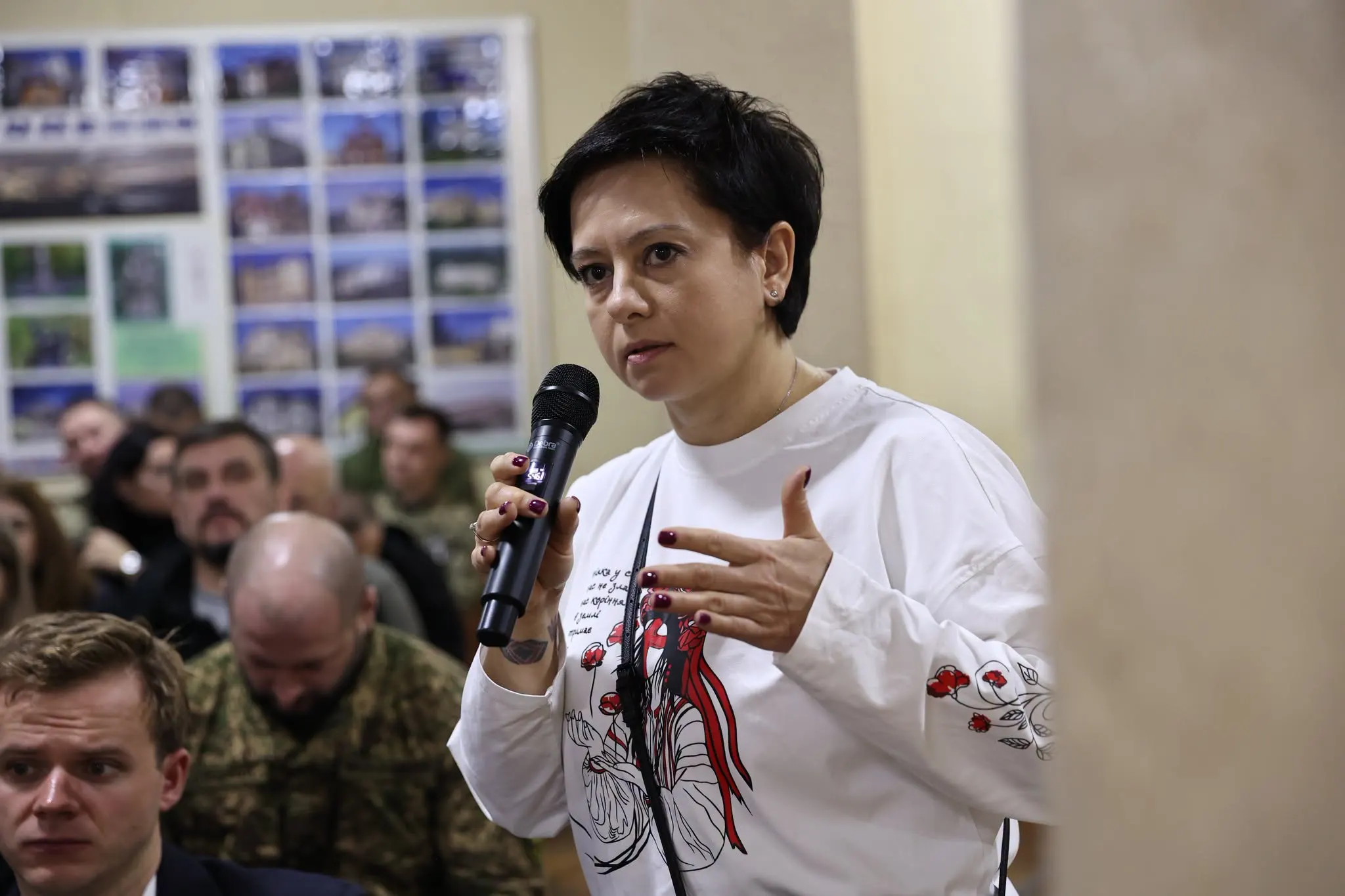
In the next session, participants shared best practices, identified challenges and needs, and then held discussions with partners and donor organisations willing to provide assistance.
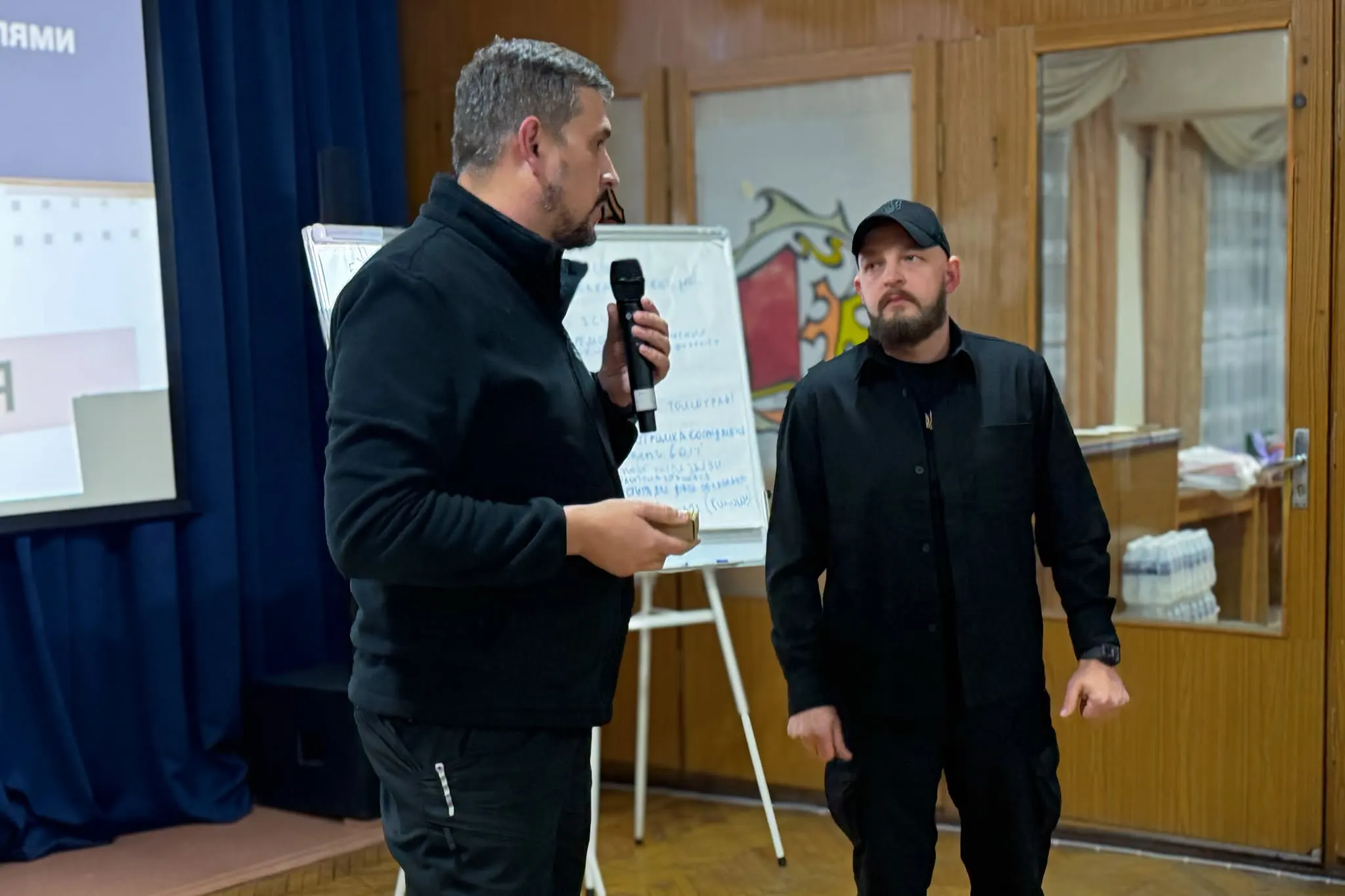
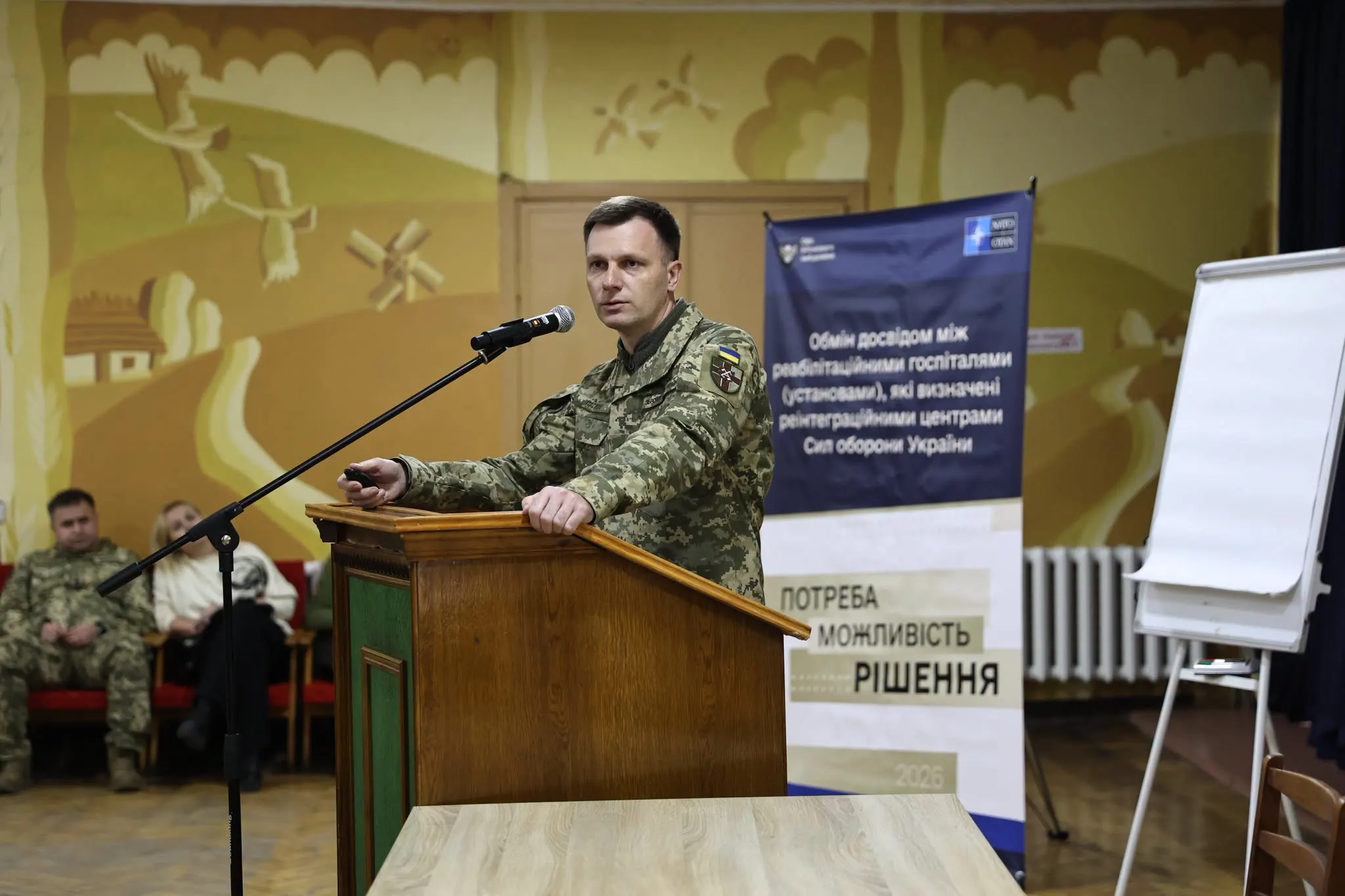
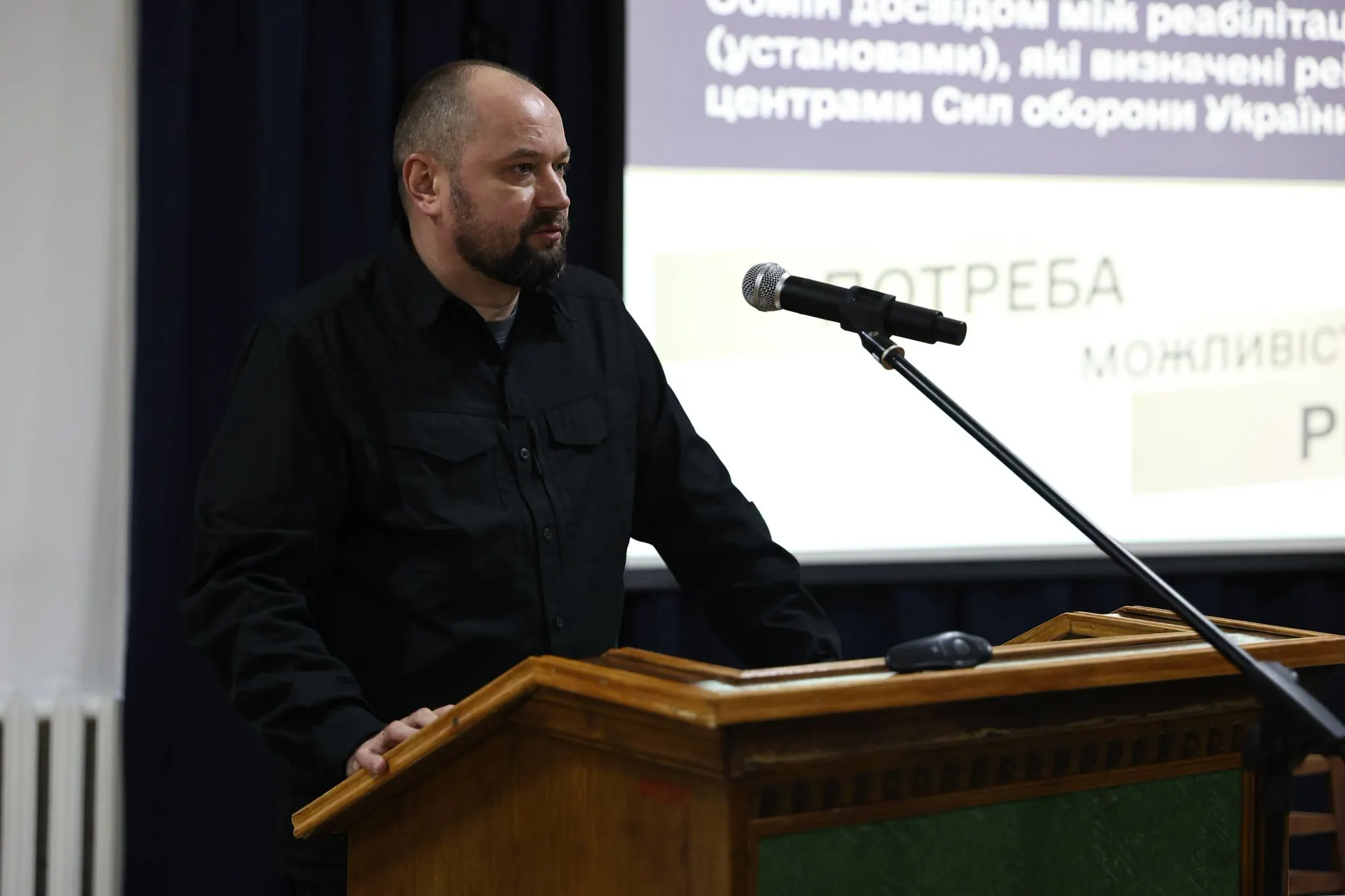
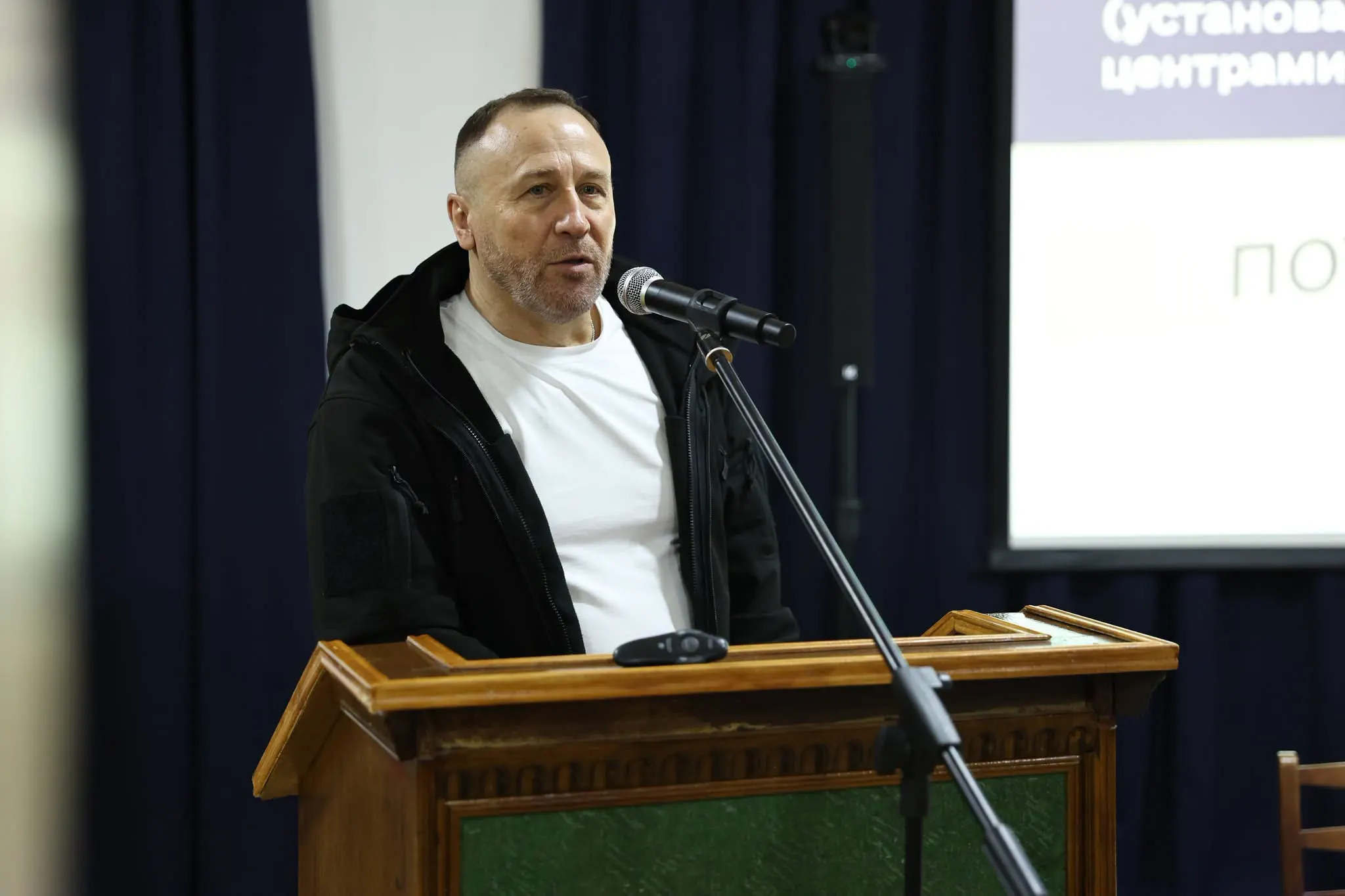
“Visitors saw the slogan ‘Needs. Opportunities. Solutions.’ on the banner at the entrance. This was the principle behind the meeting: not merely discussing problems, but achieving practical outcomes. Together with the Office team, we have visited every reintegration centre in Ukraine. We know the strengths and weaknesses of each facility. It was extremely important for us to bring their heads together on one platform and have them work together, even if just for a single day,” said Serhii Mosinzovyi, an employee of the Office of the Military Ombudsman who was himself held captive by Russia.
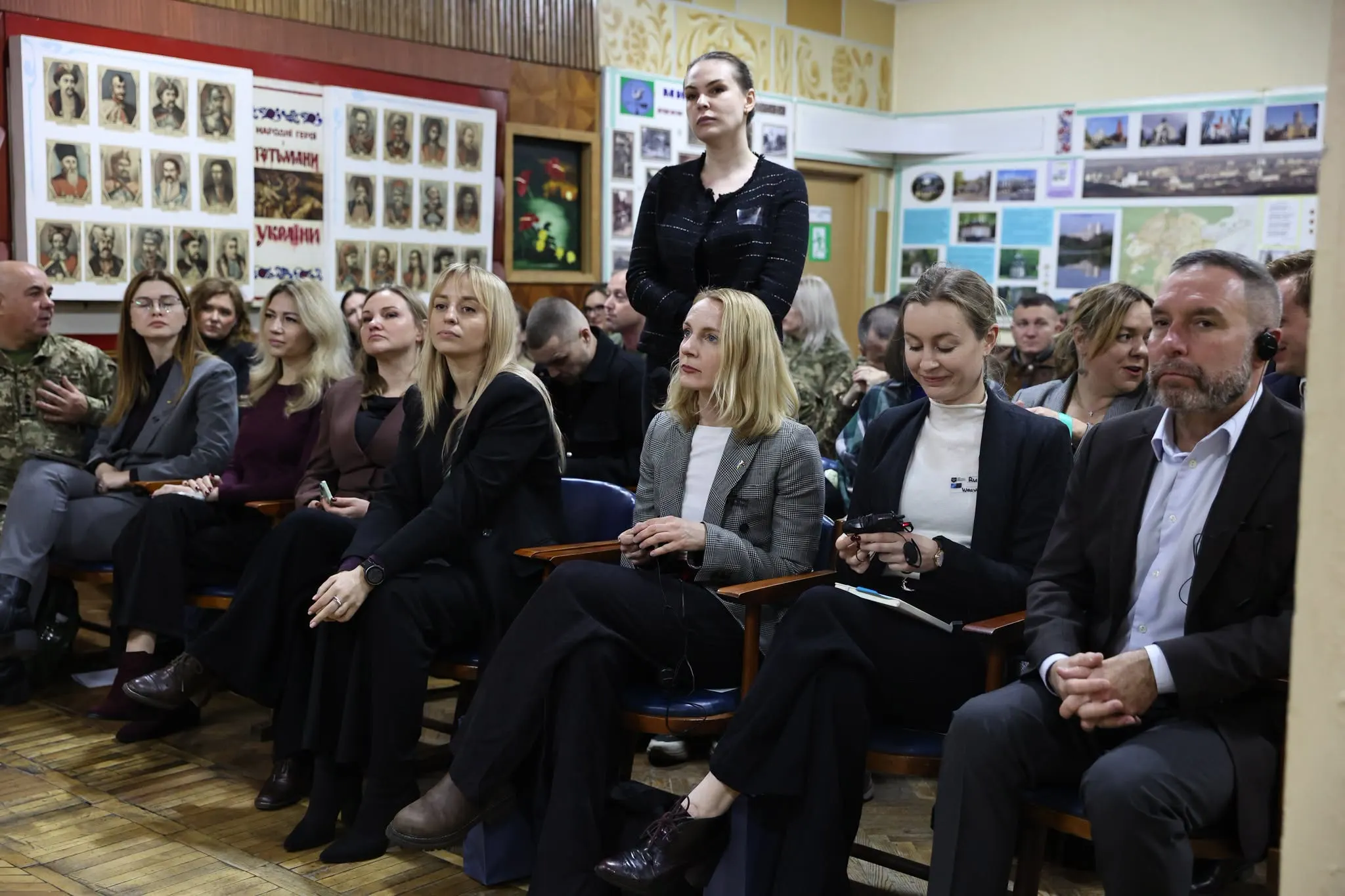
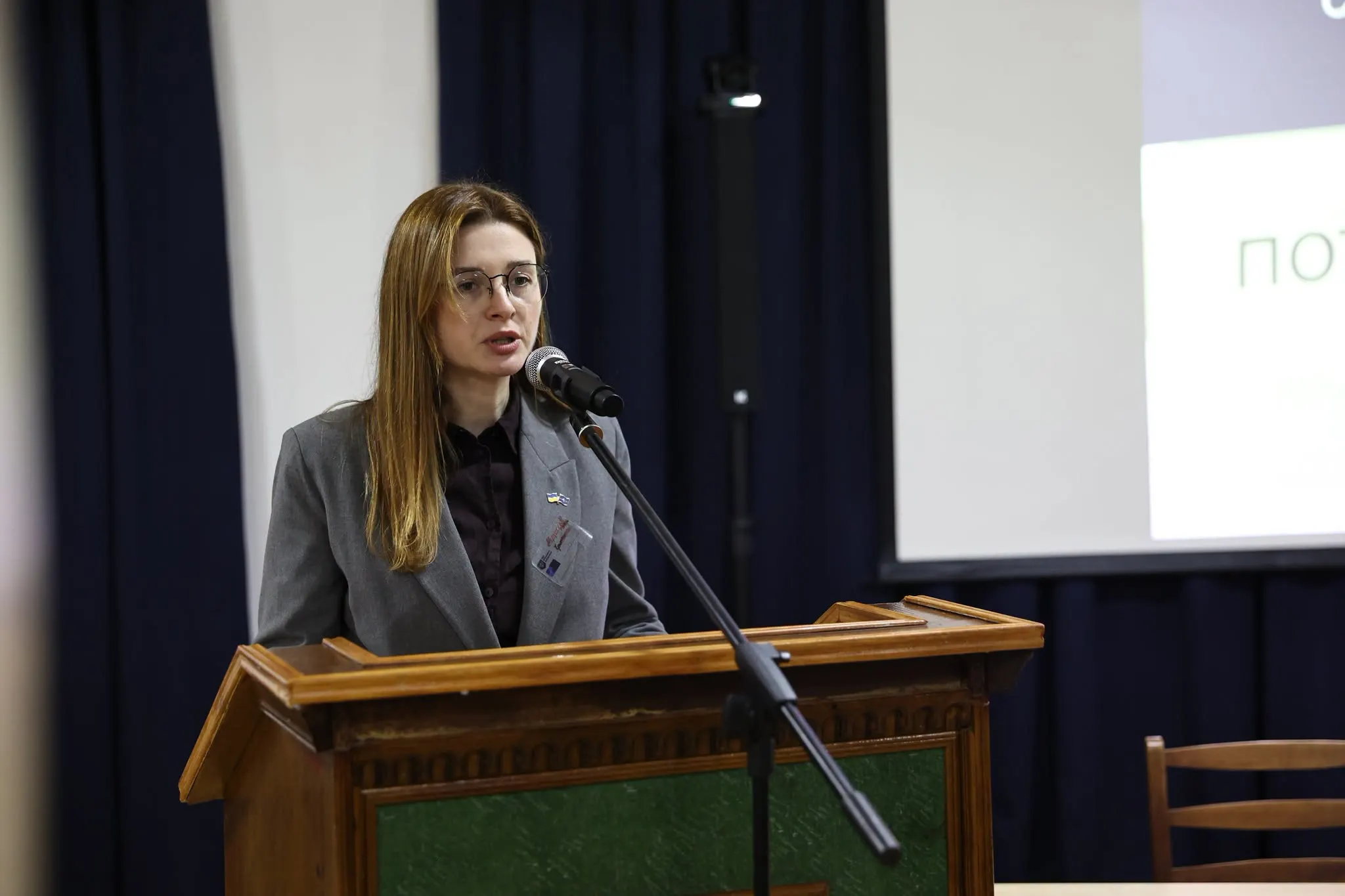
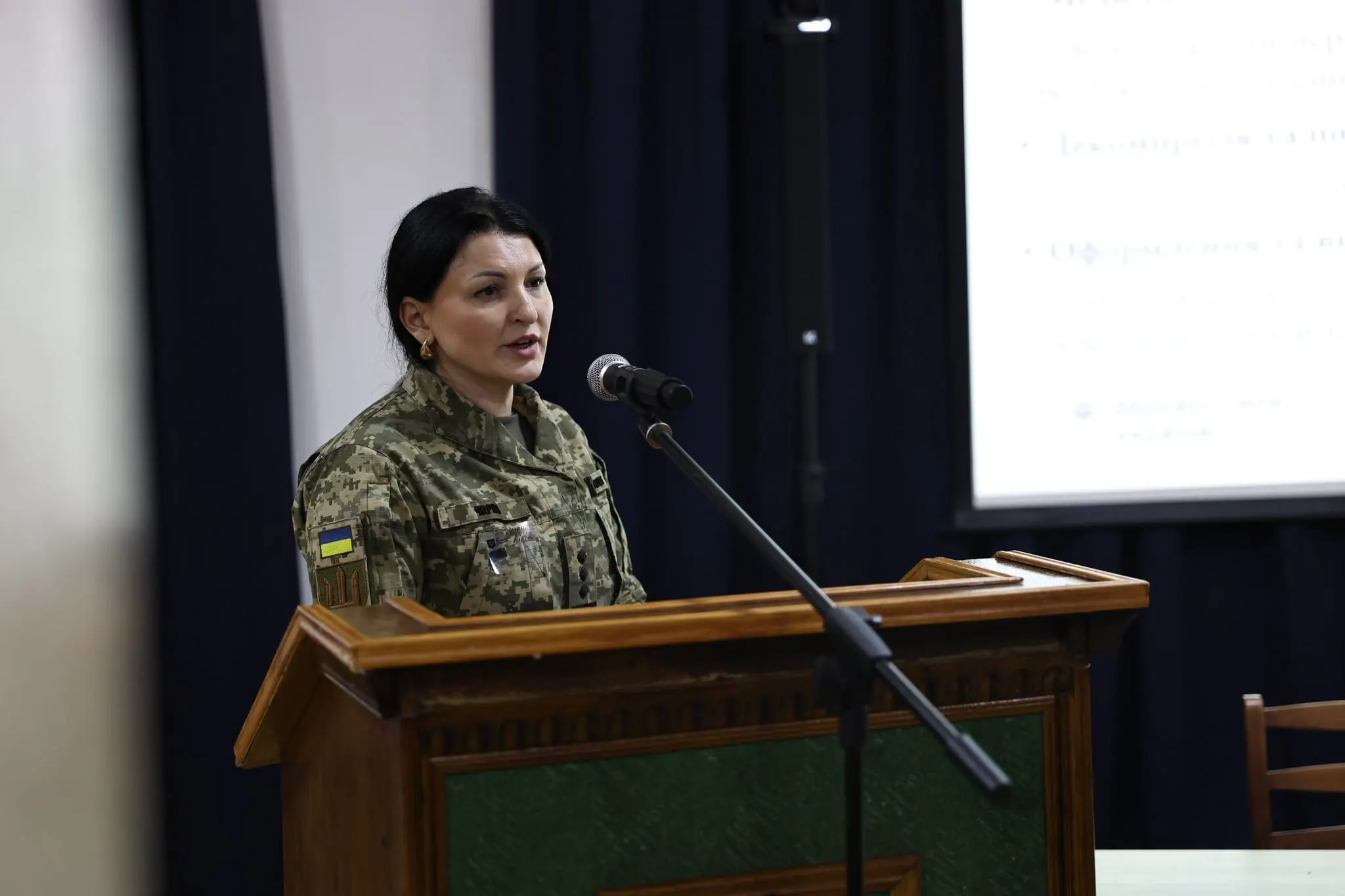
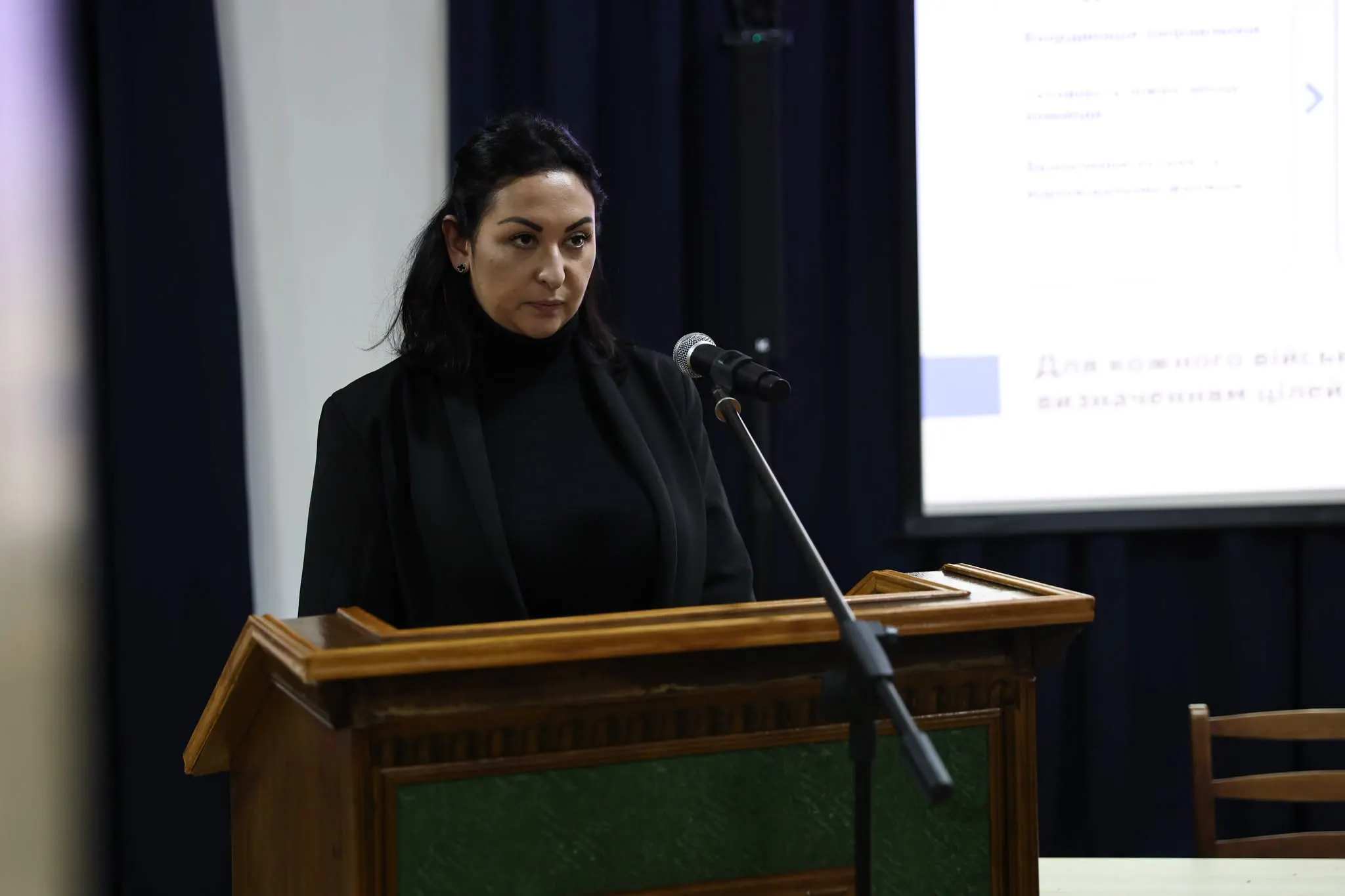
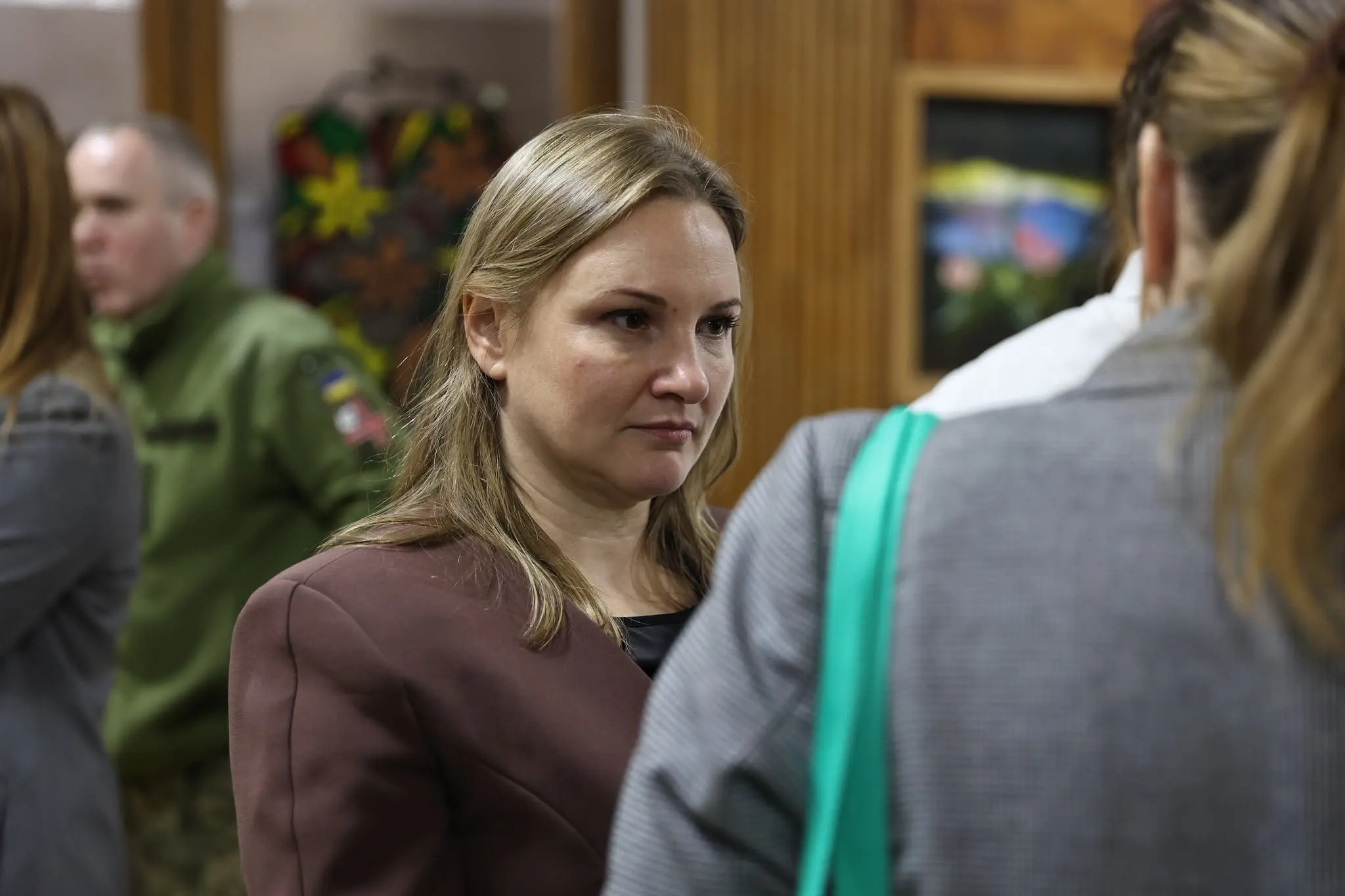
The meeting was attended by Kateryna Pavlichenko, Deputy Minister of Internal Affairs; Olha Maliarchuk, Deputy Minister for Veterans Affairs; Valentyn Ostrizhnyi, Deputy Commander of the National Guard of Ukraine; Oleksandr Kutkov, Head of the Central Department for Civil-Military Cooperation of the General Staff of the Armed Forces of Ukraine; Bohdan Okhrimenko, Head of the Secretariat of the Coordination Headquarters for the Treatment of Prisoners of War; representatives of the Ministry of Defence, the State Border Guard Service, the Medical Forces Command of the Armed Forces of Ukraine, the British Embassy in Ukraine, the Delegation of the International Committee of the Red Cross in Ukraine, the NATO Representation to Ukraine, the international consulting company Alinea International, as well as civil society organisations and partners working to support service members after their release from captivity.
The participants identified the following priority tasks:
Medical care and psychological support
- Develop a system of long-term, comprehensive support for released prisoners of war after they complete treatment.
- Introduce screening for protein-energy malnutrition and establish a unified nutrition protocol.
Staffing shortages
- Recruit doctors, medical personnel, psychologists and other specialists to reintegration centres, including through direct recruitment.
Digitalisation and simplified administrative procedures
- Explore the possibility of obtaining a digital passport in the Diia app immediately after submitting an application to replace a document, without waiting for the physical passport to be issued.
- Introduce regulatory amendments to speed up the preparation of medical documents required to receive payments.
- Create an electronic referral and routing system for released service members to streamline information sharing between medical institutions, military structures and veterans’ services.
Equipment and infrastructure
Identify needs and prepare technical specifications for donors covering:
- the procurement of diagnostic, dental and rehabilitation equipment;
- the reconstruction of buildings and renovation of premises;
- the provision of additional rooms for consultations with psychologists and meetings with law enforcement representatives.
The participants identified the transition from individual successful practices to a unified reintegration system as a key priority for further work. Government institutions, military command structures, reintegration centres, civil society organisations and partners are ready to join forces to develop this system.
“Returning from captivity is only the beginning of a complex process of recovery and adaptation. It requires a comprehensive, individualised and long-term approach that encompasses physical and psychological recovery, social reintegration, support for families and the creation of conditions that enable people to return to fulfilling lives. We highly value the experience of Ukrainian professionals working in this field. We are convinced that sharing practical experience among the centres will help strengthen the capacity of each institution and the reintegration system as a whole,” said Khrystyna Martsynkovska, Senior Programme Coordinator for Military Health Care at the NATO Representation to Ukraine.
“My greatest wish is that we all have plenty of work to do. May more and more of our warriors return — we will work day and night. I am immensely grateful to everyone involved in bringing them home. We will do everything possible to ensure that service members returning from captivity feel at home. That is the main goal of this meeting and of your daily work. Thank you for that!” concluded Military Ombudsman Olha Reshetylova.