

Prolonged stays at positions: findings of a large-scale study
After the first month at a position, 60% of service members notice signs of exhaustion. By day 60, this figure rises to eight out of ten. The most common symptoms include sleep disturbances, outbursts of anger, constant anxiety and physical symptoms, including muscle atrophy. One in five admitted that while at a position, they had thought they would not make it out alive.
These are just some of the findings of a large-scale study by the Office of the Military Ombudsman on prolonged stays at positions. In June–July 2026, we surveyed 1,616 service members with relevant experience and 174 commanders at company, battalion and brigade levels, and conducted 34 in-depth interviews.
The Office’s specialists developed original research tools for the study. We also analysed complaints about prolonged stays at positions submitted by service members and their families. Between January and September 2026, the Office received 853 such complaints. The average duration of stay at positions reported in these complaints was 115 days.
The study establishes how long service members can remain effective at a position and what consequences arise when this period is exceeded. Its value lies not only in the unique statistical data but also in practical recommendations for substantially updating training and recovery programmes and introducing a position assessment protocol.
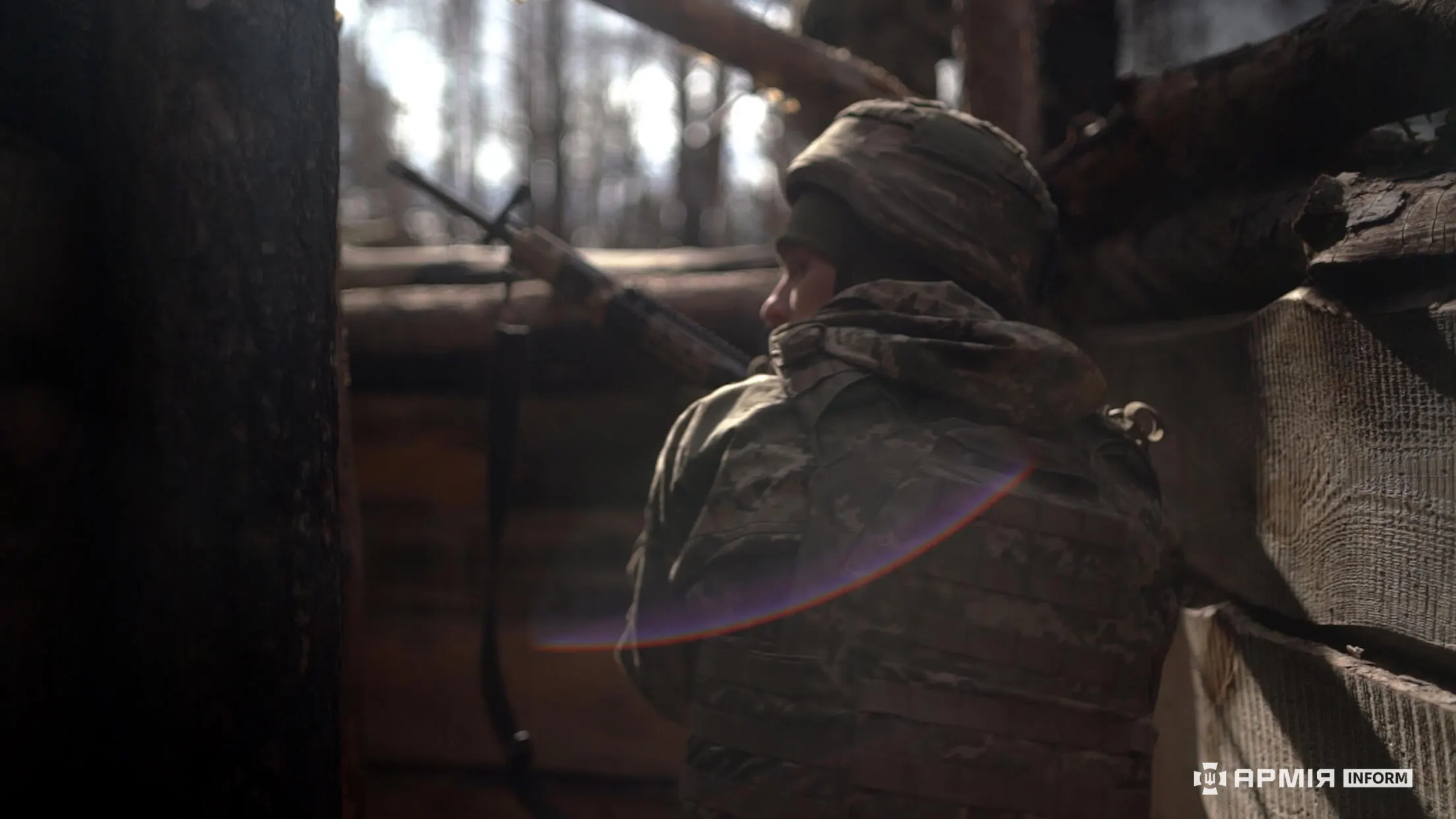
For most service members, the limit of effective deployment at a position is 30 days. After 60 days, remaining at a position gradually ceases to be the execution of a combat mission and turns into “survival while waiting for rotation”.
The most significant stressor affecting service members during prolonged stays at positions was found to be not shelling, but the lack of water: 83% of respondents rated its impact as critical. The lack of logistical support was rated critical by 76%. Service members also identified the following as highly significant factors affecting their condition: a lack of situational awareness, the presence of fallen comrades at or near the position, being alone, poor position conditions, being unable to leave shelter, and having no communication with commanders.
After prolonged stays at positions, 60% of service members needed more than two weeks to recover, while one in four said they had never fully recovered.
The highest proportion of those who were unable to recover (48.7%) was found among respondents who had spent 180 days or more at positions without rotation. These service members also reported a significantly higher rate of thoughts about self-harm (17.3%). They were also more likely to have considered getting wounded as a way out (46.9%).
The study also examined the reasons for prolonged delays in rotation.
In modern warfare, rotation has become a combat operation. It requires planning, reconnaissance, fire support, transportation capabilities and a favourable “window of opportunity” created by weather conditions and reduced enemy activity. As a result, rotation competes for the same resources as combat missions but is given lower priority. A significant proportion of casualties occur during movement, which further discourages commanders from conducting troop rotations at positions.
The duration of deployment is determined by three factors: the availability of combat-ready reserves, tactical conditions at the position and along the routes leading to it, and the commander's freedom to make decisions. Setting maximum time limits for deployment at a position without addressing these factors simply shifts responsibility entirely onto unit commanders. The lack of standard operating procedures (SOPs) for assessing positions and responding to emergencies means that, in some cases, inaction becomes a safer option for commanders than taking action, as it carries no negative consequences such as investigations or disciplinary action.
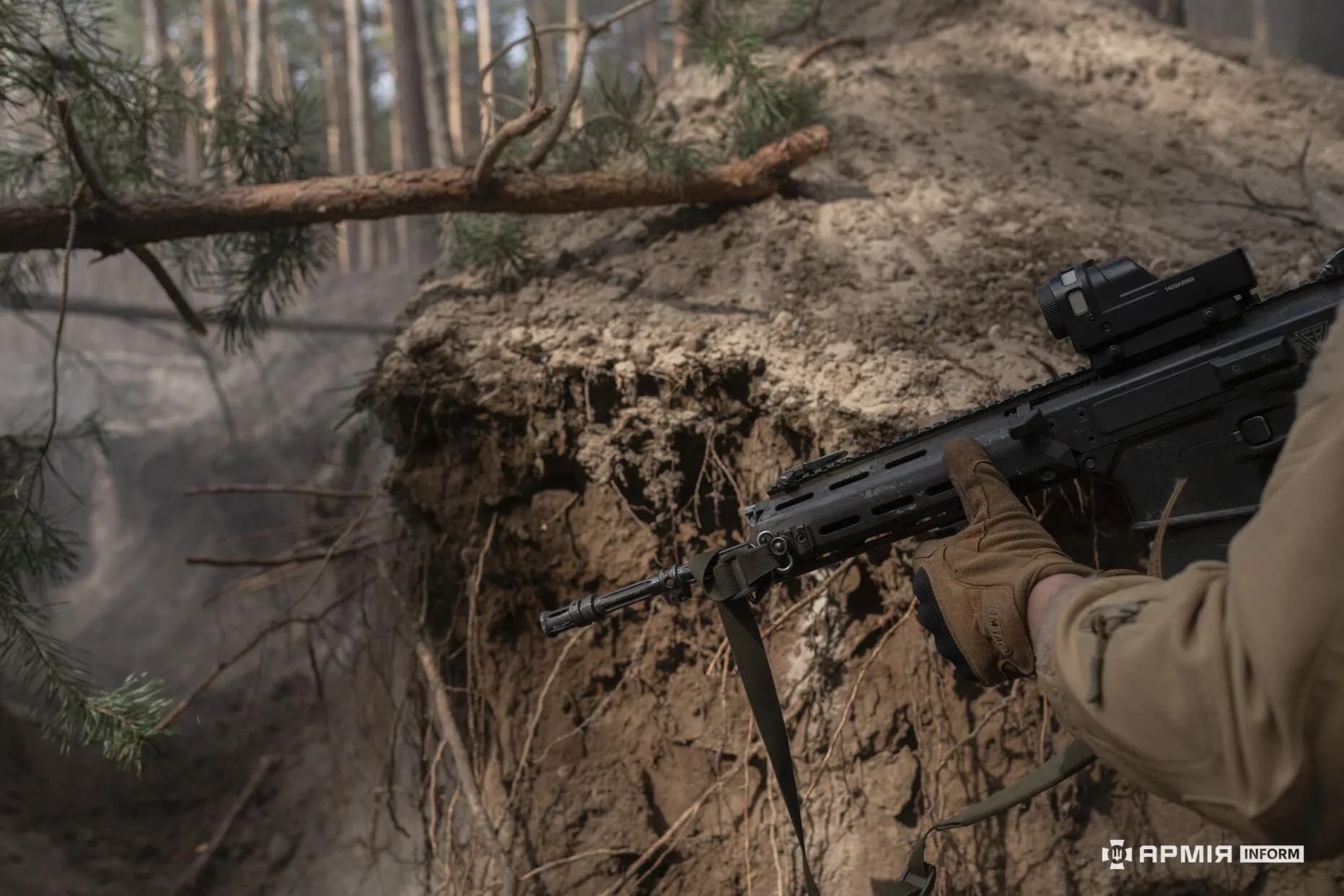
Training directly affects force preservation. The study showed that the training system needs to be updated, particularly its psychological, tactical and medical training programmes. Respondents emphasised the importance of involving instructors with up-to-date combat experience.
A unified mechanism and procedure for assessing the condition of positions also needs to be introduced. The lack of such a mechanism can result in senior commanders receiving an inaccurate picture and higher headquarters ignoring situations that arise at individual positions.
The Office of the Military Ombudsman, drawing on the expertise of commanders at various levels, has developed a draft Position Assessment Protocol. It will make it possible to assess positions both on a regular basis and in the event of an emergency or a deterioration in the tactical situation. The draft protocol has already been presented to senior command and submitted for further consideration.
Read more about the study in a column by Denys Kobzin, Deputy Head of the Department of Systematisation and Analytical Work of the Office of the Military Ombudsman, on Militarnyi.