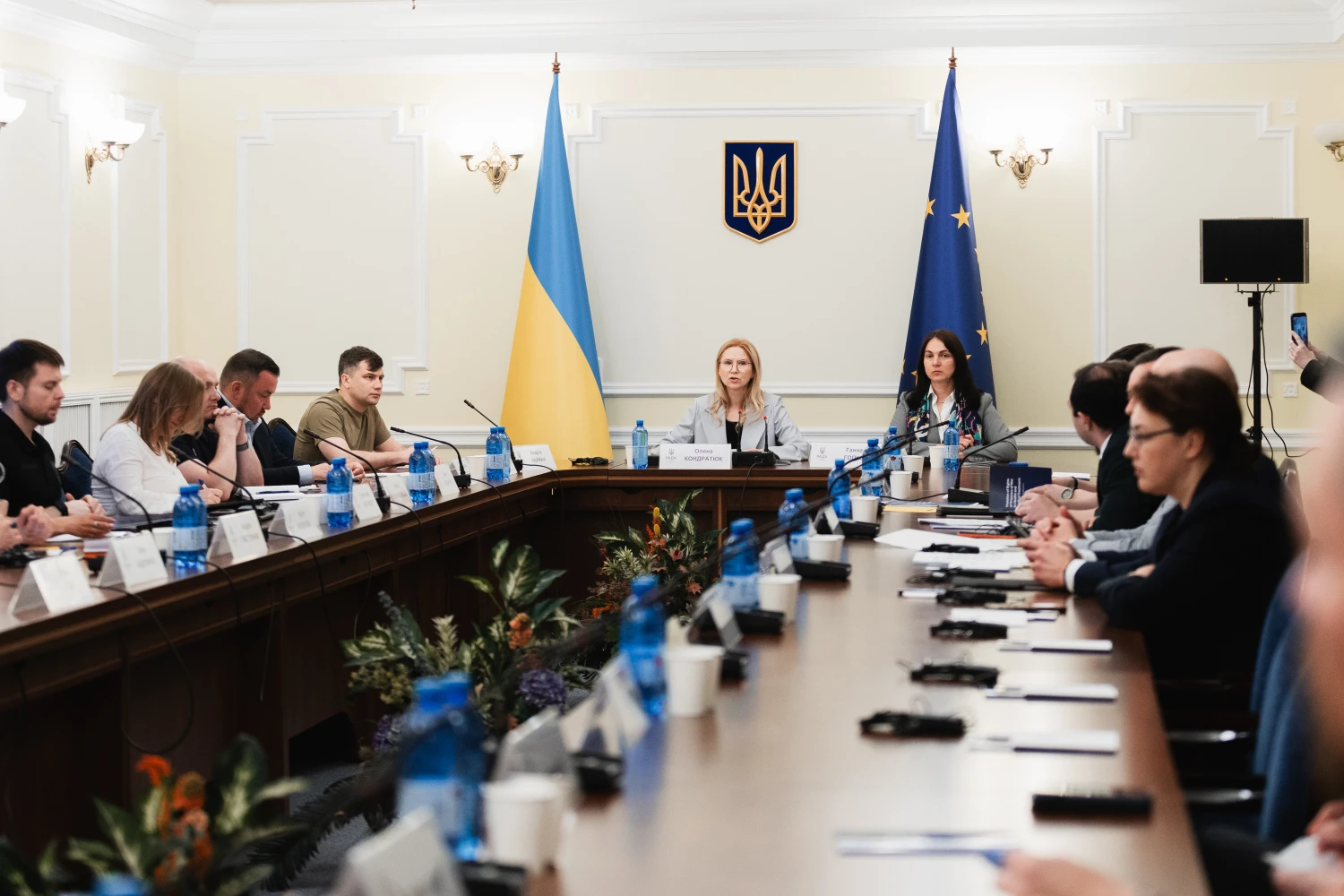
The Military Ombudsman attended the presentation of a study on Russia’s war crimes against Ukrainian POW`s
Russia is systematically killing Ukrainians in captivity through medical terror.
At the invitation of Olena Kondratiuk, Deputy Speaker of the Verkhovna Rada of Ukraine, Military Ombudsman Olha Reshetylova participated in the presentation of the study “Violations of Prisoners of War’s Rights to Health Care and Medical Treatment: Consequences, Legal Classifications, and Prospects.” The study was conducted by the civil society organizations “National Interests Advocacy Network ‘ANTS’” and the “International Centre for Ukrainian Victory” in cooperation with the Coordination Headquarters for the Treatment of Prisoners of War.
The study examines Russia’s crimes related to the deliberate denial of medical care to Ukrainian prisoners of war. It is based on in-depth interviews with Ukrainian military medics who were held captive by Russia and provided medical care to other prisoners.
Wounds left to fester, amputations and tooth extractions without anesthesia, torture with psychotropic substances, and the deliberate removal of tourniquets from the wounded—these actions by Russia constitute a gross violation of the Geneva Conventions and war crimes under Article 8 of the Rome Statute.
“Russia has been committing war crimes against Ukrainians since before 2022. Our civil society organizations have been documenting cases of brutal torture of prisoners of war since 2014,” emphasized Olha Reshetylova, recalling the case of Roman Bezpalyi, a serviceman of the 53rd Separate Mechanized Brigade, whose body was returned by the Russians from captivity in 2019. “I remember how difficult it was back then to advocate before the international community for holding the Russians accountable. And it is very important that today we are already discussing this not only in terms of documenting crimes, but also in the context of the capacity of international justice to hold perpetrators accountable.”
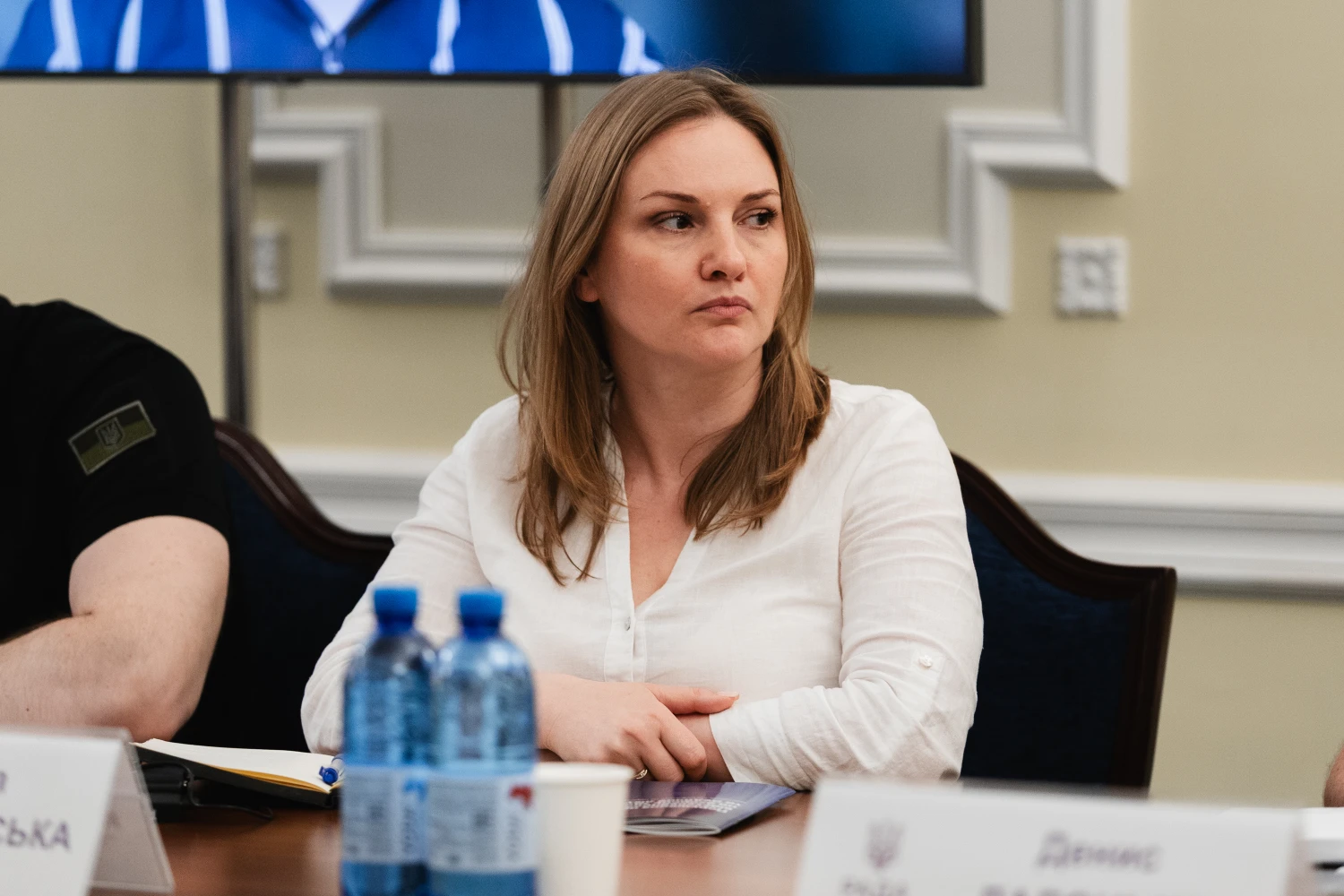
She noted that Ukraine has already established a system to assist those released from captivity, but developing long-term support programs remains a key challenge.
“The Office of the Military Ombudsman pays special attention to service members who have returned from captivity and are continuing their service. Together with military units, we are working to ensure they have proper service conditions, psychological counseling, and support after enduring torture and isolation,” said Olha Reshetylova.
The Office has also joined efforts to develop a training module with practical recommendations on how to act while in captivity. We are currently testing it in military units. In the future, we plan to scale it up to units of the Defense Forces.
Separately, the Military Ombudsman noted the assistance of international partners in the treatment and rehabilitation of those released from captivity and emphasized the need to strengthen the capabilities of Ukrainian rehabilitation centers.
We thank the event organizers, members of parliament, government agencies, and international missions for this important discussion. The Russians must be held accountable for every war crime committed in the context of the armed aggression against Ukraine.