

Enhancing the effectiveness of the ICRC in searching for prisoners and missing persons discussed in Geneva
A meeting between the communities of families of missing and captured servicemembers, state authorities, and representatives of the Central Tracing Agency took place at the headquarters of the International Committee of the Red Cross (ICRC) in Geneva.
A conversation in this format took place for the first time since the beginning of the full-scale invasion. The main topic was enhancing the effectiveness of the ICRC in obtaining information about prisoners not confirmed by the Russian side, as well as gaining access to places of detention.
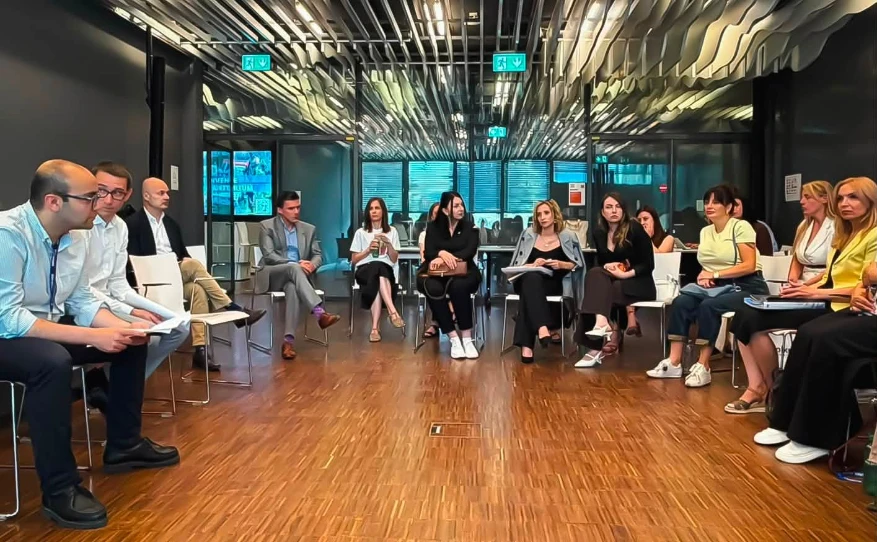
ICRC Director-General Pierre Krähenbühl acknowledged the frustration of the families of missing and captured servicemembers regarding the effectiveness of the ICRC's work and stated his readiness to rectify the situation. ICRC representatives noted that they are maintaining a dialogue with the heads of penal colonies and pre-trial detention centers on the territory of the Russian Federation to gain access to places of detention. The relatives of the missing persons reminded them that, despite having verified data, there are prisoners of war whom the Russian Federation does not confirm through the ICRC.
- Illegally convicted.
Representatives of Ukrainian families emphasized that the aggressor state does not confirm the fact that Ukrainian servicemembers who have been sentenced in Russian courts are in captivity. (Note: Ukraine does not recognize sentences passed by Russian courts against Ukrainian prisoners of war).
- Repatriation of bodies.
Relatives noted that the repatriation of the bodies of fallen servicemembers and the work of search groups in the long-occupied territories of Ukraine is an exclusively humanitarian mission. Delays in returning the bodies complicate their subsequent identification.
- Violations of humanitarian law.
The Ukrainian delegation pointed out the need to respond to violations of international humanitarian law: when Russians execute Ukrainian prisoners, conscript Ukrainians in the temporarily occupied territories, and commit other war crimes.
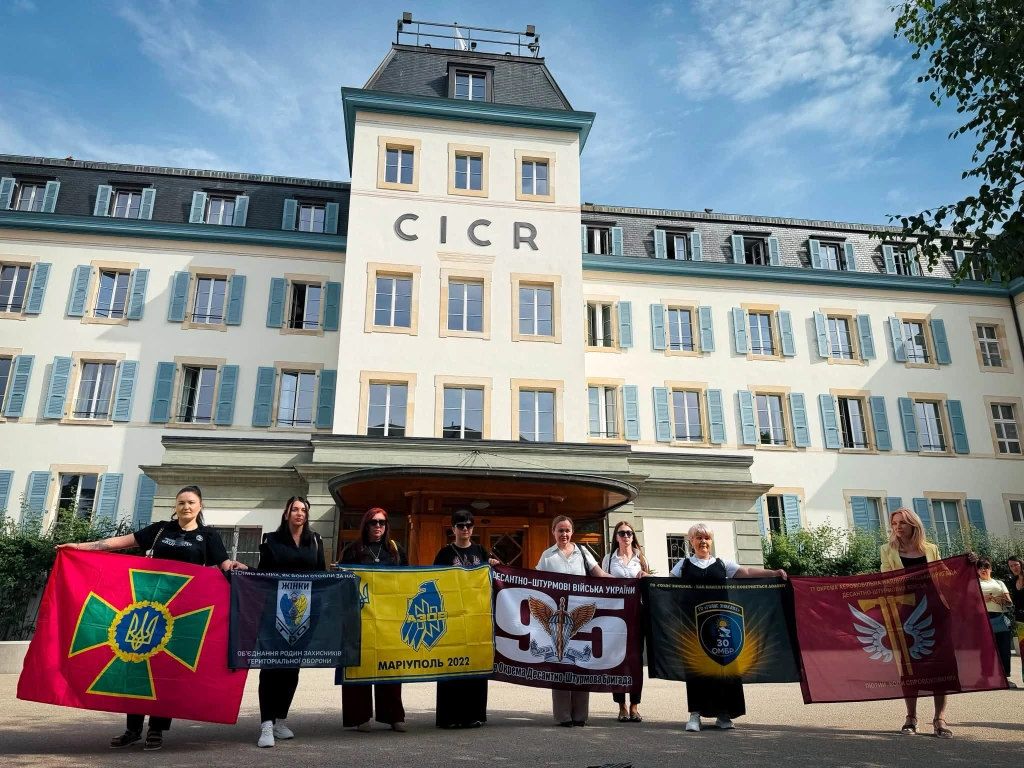
Family representatives thanked the ICRC for the opportunity to be heard, hoping for the future effective implementation of the ICRC's mandate.
Following the trip, Advisor to the Military Ombudsman Olena Bieliachkova, who participated in the event, pointed out the importance of meetings in this format:
"Ukrainian state authorities must be a reliable support for the families of missing and captured servicemembers, not only at the national level but also on the international stage, as every servicemember must be found and returned, released from captivity."