

Conduct in captivity: Piloting a training module for servicemembers
Captivity is one of the three major risks of military service, alongside death and injury. According to testimonies from most servicemembers who survived Russian captivity, they were psychologically unprepared for such an experience.
The Office of the Military Ombudsman, together with the charity foundation Principle of Hope and the NGO Media Initiative for Human Rights, initiated the development of a training module on conduct in captivity. Its purpose is to equip servicemembers with practical behavioural skills aimed at minimising risks in the event of capture. Former prisoners of war were involved in the development of the module, and their experience helped shape practical recommendations.
.webp)
“When we left Azovstal, none of us knew what we would have to go through in captivity. It is important to speak honestly with servicemembers about this risk and prepare them for it. They need to understand the basic principles of conduct — how not to lose themselves psychologically and how to support their brothers- and sisters-in-arms,” said Serhii Mosinzovyi, one of the module’s developers and an employee of the Office of the Military Ombudsman.
“While in captivity, I did not meet a single fellow prisoner who truly understood what to expect or how to navigate such conditions. This made the enemy’s task easier by creating more space for pressure and disinformation. Even while in captivity, I hoped that defenders would receive at least basic information about what captivity is and how to endure it. I hope these expectations will now become reality,” said Maksym Butkevych, co-coordinator of the Principle of Hope charity foundation and one of the developers of the module.
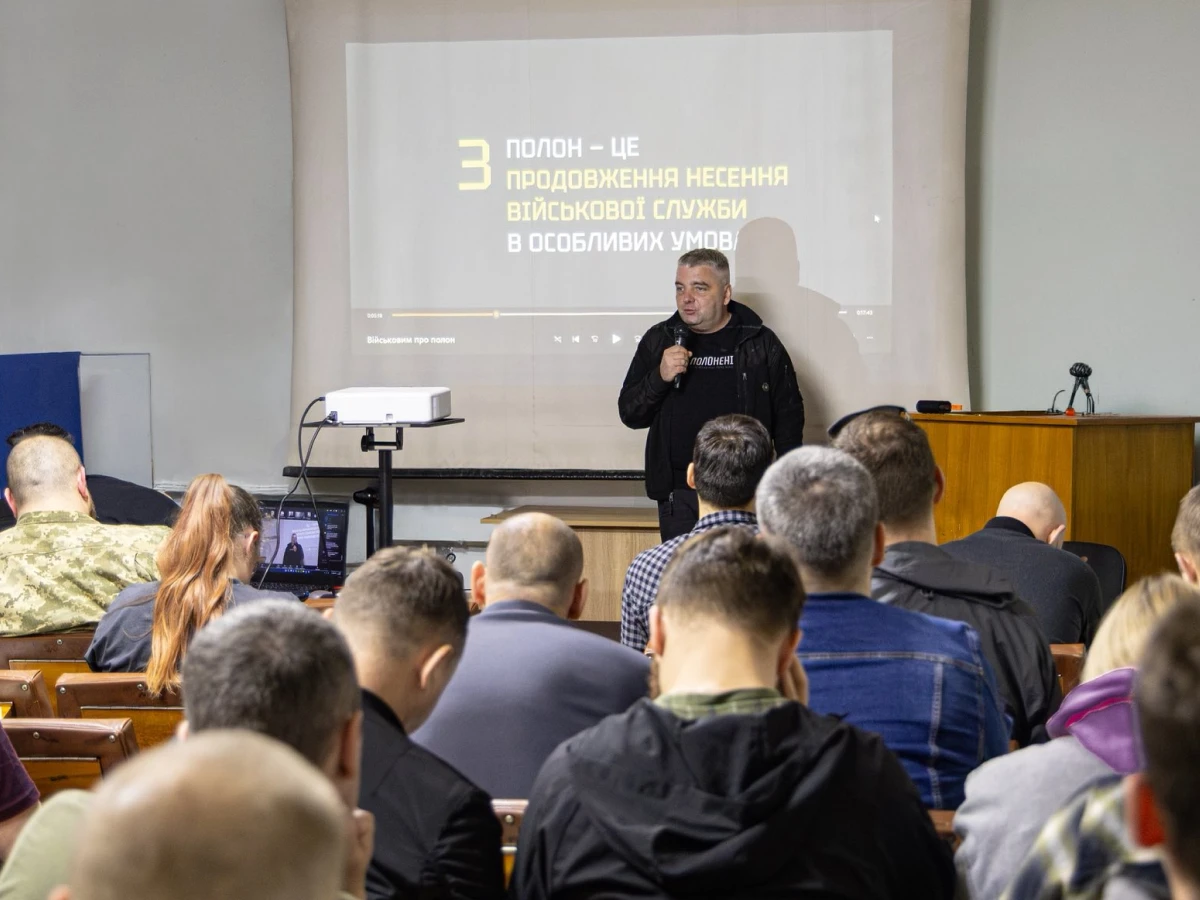
The module is currently being piloted in military units conducting Basic General Military Training (BGMT). The lectures cover:
- minimising the risks of capture;
- rules of conduct during captivity and interrogations;
- endurance and psychological resilience training in conditions of isolation;
- information security and the protection of personal accounts and digital data;
- preparation of personal instructions in the event of capture;
- state mechanisms for the return of prisoners of war.
During the lectures, participants are also informed that captivity constitutes a continuation of military service under special conditions. Time spent in captivity counts toward years of service, while rank, position, and financial allowances are retained. The servicemember’s primary task during this period is to survive and return home.
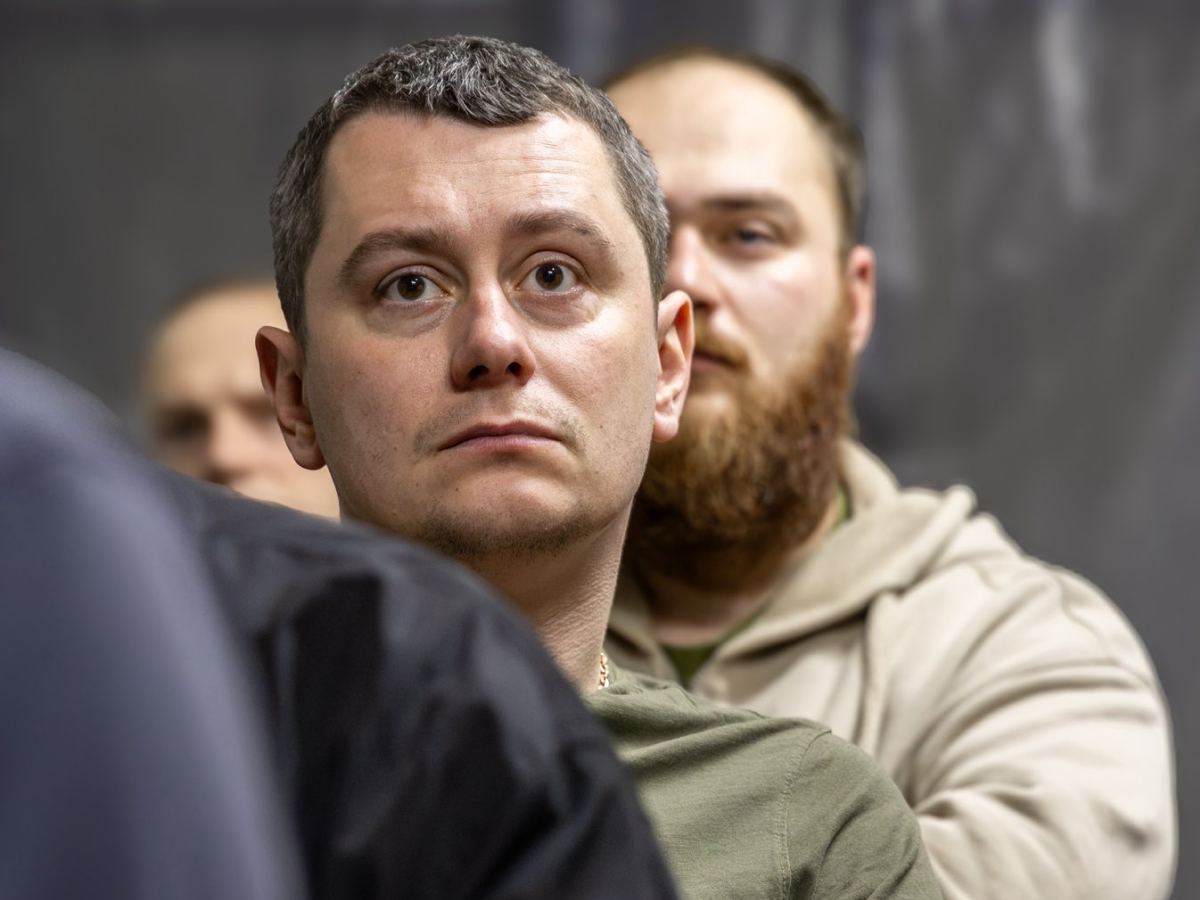
We also collect feedback from participants, analyse how the material is perceived, and continue refining the programme together with experts and military psychologists.
Following completion of the pilot phase, we plan to scale the training module across Defence Forces units.
Photo: 210th Separate Assault Regiment